Understanding the Cape Cod Home Design
Origin and Characteristics of Cape Cod Architecture
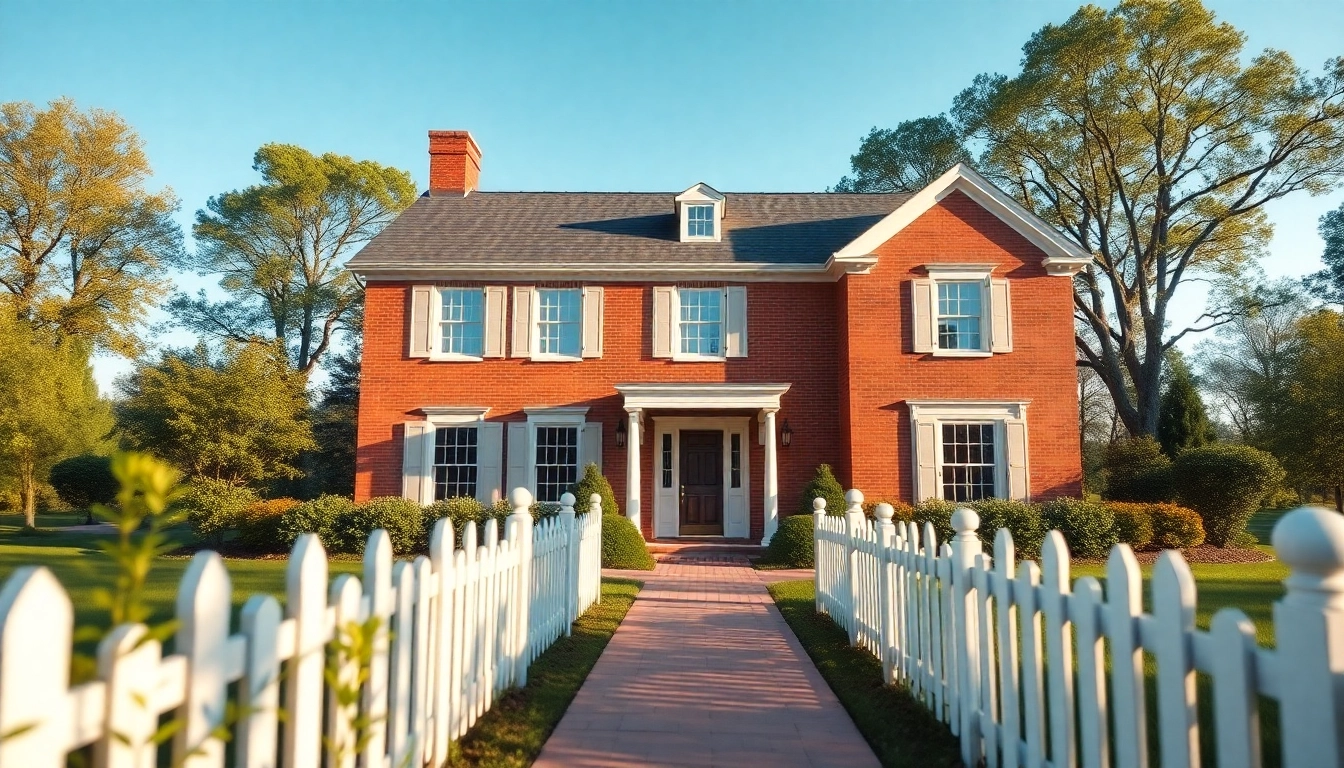
The Cape Cod home style originated in the 17th century, emerging as a practical solution to the cold winters and harsh coastal conditions of New England. Its design is inherently functional, reflecting the resilience and ingenuity of early settlers. Characterized by its symmetrical shape, steep rooflines, dormer windows, and large central chimney, the cape cod home integrates seamlessly into the picturesque landscapes of the region. The early iteration of this architecture used simple materials like wood for siding and roofs, focusing on durability and accessibility.
Key Elements of Cape Cod Home Design
Modern Cape Cod homes typically maintain key elements such as:
- Symmetry: The design features a balanced façade with equal number of windows on either side of the central door.
- Steep Roofs: Roof pitches of 12:12 or steeper are common to effectively shed snow and rain.
- Dormer Windows: Often added to increase space and allow natural light into the attic area.
- Wooden Siding: Traditionally clad in wood, often painted in muted colors to complement natural surroundings.
Modern Interpretations of Traditional Styles
While embracing its historical roots, the Cape Cod home has evolved. Contemporary designs incorporate open floor plans, larger windows, and eco-friendly materials without sacrificing the classic charm. Innovations such as energy-efficient insulation and smart home technology reflect modern living standards, ensuring a perfect blend of tradition and contemporary comfort.
Choosing the Right Expansion for Your Cape Cod Home
Types of Home Expansions
When considering an expansion for your Cape Cod home, it is important to explore various options that not only enhance functionality but also honor the architecture’s integrity. Common types of expansions include:
- Vertical Expansions: Adding a second story harmonizes well with existing structures, maximizing living space.
- Side Additions: Expanding sideways can create larger living areas or bedrooms while maintaining the home’s proportions.
- Front Porches: A stylish way to enhance curb appeal and provide additional outdoor living space.
- Attached Garages: A popular choice for convenience, these can blend seamlessly with the main design.
Benefits of Adding an Attached Garage
Attached garages offer numerous advantages for homeowners. Primarily, they provide necessary shelter for vehicles against harsh weather conditions. Moreover, they enhance property value, add to the home’s aesthetics, and create additional storage space. This functional expansion can be designed to match or complement the existing architecture, ensuring a cohesive look.
How to Integrate New Spaces Seamlessly
To ensure that expansions feel like a natural extension of the original structure, consider these best practices:
- Consistent Materials: Use the same siding and roofing materials as the existing home for continuity.
- Architectural Harmony: Maintain similar window styles, door placements, and rooflines to preserve the classic look.
- Landscaping Integration: Incorporate landscaping elements that blend with both the new and old parts of the property.
- Thoughtful Layout: Create connection points like hallways or open spaces that encourage flow between old and new.
Planning and Permitting for Your Expansion
Essential Steps in the Planning Process
Expanding your Cape Cod home requires careful planning to ensure every aspect meets your needs and complies with regulations:
- Assess Your Needs: Evaluate how much space you need and how the changes will improve your lifestyle.
- Budget Wisely: Establish a comprehensive budget that includes all phases of the project, from design to completion.
- Design Plans: Work with architects or designers to create detailed plans that reflect your vision and adhere to local guidelines.
- Community Feedback: If necessary, talk to neighbors to gain insights and support for your expansion plans.
Navigating Local Building Regulations
Every municipality has specific building codes and zoning laws that govern expansions. It’s important to familiarize yourself with these regulations:
- Setback Requirements: Determine how far from property lines the new construction must be.
- Height Restrictions: Understand any limitations on how tall your home may be after the addition.
- Historical Considerations: If your home is in a historical district, additional guidelines may apply.
- Permitting Process: Apply for all necessary building permits and ensure your plans are approved before starting work.
Choosing the Right Professionals
Engaging experienced professionals can streamline the expansion process. Look for individuals or teams with a strong portfolio in Cape Cod architecture. Key players include:
- Architects: They will design the space, ensuring it fits seamlessly with your existing home.
- Contractors: Skilled contractors possess the know-how for technical aspects and ensure the project meets quality standards.
- Interior Designers: If your expansion involves interiors, an interior designer can help maximize space functionality and aesthetics.
Design Inspiration for Your Cape Cod Home Expansion
Popular Styles for Expanding Spaces
Inspiration for design can come from various styles that complement the Cape Cod aesthetic:
- Farmhouse Style: Integrating rustic elements, such as barn doors or shiplap, can enhance the cozy feel.
- Modern Minimalism: Clean lines, open spaces, and neutral tones can provide a striking contrast to traditional elements.
- Coastal Chic: Light colors, beach-themed decor, and natural materials celebrate the home’s seaside heritage.
Interior Design Tips for New Additions
Interior spaces should reflect harmonious design principles. Consider the following tips:
- Open Concepts: Favor open floor plans to promote light and airiness.
- Natural Materials: Use wood, stone, and glass to connect with the surrounding environment.
- Color Palettes: Opt for soft, muted tones typically found in Cape Cod aesthetics to create soothing interiors.
Outdoor Spaces: Enhancing Curb Appeal
Effective landscaping and outdoor styling can greatly enhance your home’s curb appeal. Consider these elements:
- Symmetrical Landscapes: Mimic the home’s symmetry with balanced planting and garden structures.
- Pathways: Use natural stones or pavers for inviting walkways that integrate the home with the landscape.
- Furniture and Accessories: Add comfortable outdoor furniture to create additional living space.
Maintaining and Caring for Your Cape Cod Home
Regular Maintenance Tips for Longevity
To preserve the charm of your Cape Cod home, regular maintenance is essential. Here are practical tips:
- Inspect Roofing: Check for damaged shingles and leaks regularly, particularly after storms.
- Cleaning Gutters: Ensure your gutters are free from debris to prevent water damage.
- Painting: Regularly repaint or stain wooden surfaces to protect against moisture.
How to Preserve Architectural Features
Maintaining original architectural elements is crucial for preserving character:
- Restoration vs. Replacement: Always aim to restore original features rather than replacing them with modern alternatives.
- Protective Coatings: Use suitable preservatives on wood and stone to retain their natural beauty.
- Document Changes: Keep a record of any repairs or alterations for future reference.
Seasonal Care Practices for Coastal Homes
Coastal homes face unique challenges due to weather conditions. Essential seasonal maintenance tasks include:
- Winterizing: Insulate pipes, and clear gutters to avoid ice buildup and damage.
- Spring Cleaning: Schedule a thorough cleaning of siding, windows, and outdoor spaces.
- Summer Prep: Inspect for mold and mildew, especially in humid months, to maintain a healthy environment.
Frequently Asked Questions
What defines a Cape Cod home?
A Cape Cod home is characterized by its simple, symmetrical design, steep rooflines, dormer windows, and often wooden siding.
Can I expand my existing Cape Cod home?
Yes, expansions are possible and can enhance functionality while respecting the original architecture.
What are common materials used for Cape Cod home expansions?
Common materials include wood siding, shingles, and stone, maintaining the traditional aesthetic.
How can I maintain my Cape Cod home’s exterior?
Regularly inspect for wear, clean the siding, and repaint as necessary to preserve its beauty.
What landscaping works well with Cape Cod homes?
Choose native plants, beach grasses, and traditional New England gardens to complement the home’s coastal charm.