Understanding Plumbing Apprenticeship
What Is a Plumbing Apprenticeship?
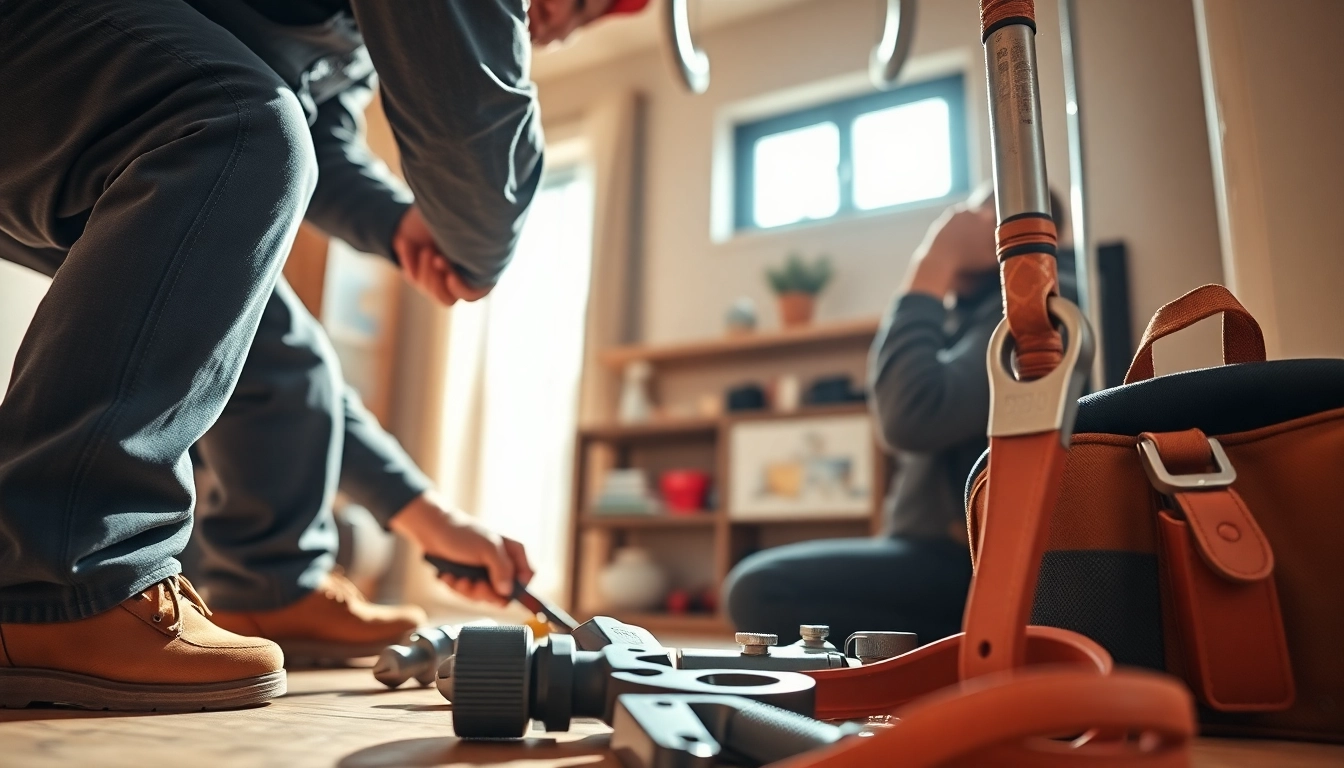
A plumbing apprenticeship is a structured training program designed to teach individuals the skills and knowledge necessary to succeed in the plumbing trade. This hands-on learning opportunity typically blends classroom instruction with real-world work experience, enabling apprentices to learn from seasoned professionals. Apprentices follow a curriculum that covers essential plumbing principles, code regulations, safety practices, and the operation of various tools and equipment. By the end of the apprenticeship, participants are equipped with the expertise required to perform plumbing tasks independently.
Benefits of Engaging in a Plumbing Apprenticeship
Participating in a plumbing apprenticeship comes with numerous advantages. Firstly, apprentices gain practical experience, which is invaluable in the plumbing industry. They learn to troubleshoot issues, install and repair plumbing systems, and use tools effectively. Additionally, apprentices earn a wage while they learn, providing financial support throughout their training. Many apprenticeships also offer opportunities for job placement upon completion, which can lead to stable employment. Finally, completing an apprenticeship can also be a stepping stone to advanced certifications and career advancement within the industry.
Requirements for Joining a Plumbing Apprenticeship
Joining a plumbing apprenticeship typically requires a few basic qualifications. Most programs ask for a high school diploma or GED, as foundational education is crucial. Physical fitness is also essential, as plumbing work can be physically demanding. Prospective apprentices may need to pass a drug test and a background check. Some programs may have additional requirements, such as recommendations from industry professionals or completion of a pre-apprenticeship program. Understanding these prerequisites can help aspiring plumbers prepare for the application process.
Finding the Right Apprenticeship Program
Researching Plumbing Apprenticeship Programs
Finding the right plumbing apprenticeship program involves thorough research. Prospective apprentices should start by assessing local trade schools, community colleges, and union programs that offer plumbing training. Checking online resources, trade publications, and industry associations can provide information about eligible programs. An important factor to consider is the duration of the program, which usually lasts between four to five years. Prospective apprentices should also look into the program's curriculum, teaching methodologies, and the credentials of instructors.
Evaluating Program Quality and Accreditation
Not all plumbing apprenticeship programs are created equal. It’s vital to evaluate the quality and accreditation of a program before applying. Accredited programs meet specific educational standards and often provide recognized credentials upon completion. Apprentices should verify if the program is endorsed by state or national plumbing associations. Reviews from former students can also offer insights into the effectiveness of the training. Additionally, graduates' job placement rates can be a strong indicator of a program's reputation in the industry.
Networking and Recommendations for Apprenticeship
Networking is a critical component in securing a plumbing apprenticeship. Aspiring plumbers should attend industry events, join local trade groups, and connect with professionals on social media platforms like LinkedIn. Seeking recommendations from established plumbers can yield valuable insights into the best apprentice programs. Informational interviews with current apprentices or program graduates can also provide firsthand perspectives on what to expect. Building relationships with industry stakeholders can significantly enhance the chances of finding a suitable apprenticeship opportunity.
Training and Skills Development
Core Skills Taught in Plumbing Apprenticeship
Plumbing apprentices receive comprehensive training in several core skills essential for their future careers. Key areas of focus include the installation and maintenance of pipes, fixtures, and appliances. Apprentices learn about water supply systems, drainage systems, and plumbing codes that govern installations. Pipefitting, soldering, and welding techniques also form part of the skill set. Moreover, apprentices are trained in customer service and communication, which are crucial for interaction with clients and other stakeholders in plumbing projects.
Safety Protocols and Best Practices
Safety is paramount in the plumbing profession. Apprentices are trained extensively on safety protocols and best practices to minimize risks on the job. This includes learning about personal protective equipment (PPE), fall protection, and handling hazardous materials. Understanding safety regulations set by the Occupational Safety and Health Administration (OSHA) and local codes is crucial. Furthermore, apprentices learn to recognize potential hazards on construction sites, ensuring both their safety and that of their coworkers.
Advanced Techniques in Plumbing
While foundational skills are crucial, plumbing apprentices also have opportunities to learn advanced techniques. This may include specialized areas such as gas line installation, hydro jetting, and trenchless technology. Apprentices might also gain insight into sustainable plumbing practices, including water conservation systems and energy-efficient installations. By mastering these advanced skills, apprentices can position themselves as competitive candidates in the job market and open doors to specialized career paths within the plumbing industry.
Success Stories from Plumbing Apprentices
Interview with a Successful Apprentice
Real-life success stories can be extremely motivating for those considering a plumbing apprenticeship. An interview with a former apprentice who has successfully transitioned into a journeyman or master plumber can provide valuable insights into the journey. Hearing about their challenges, the skills they acquired, and how they navigated the apprenticeship process can inspire prospective apprentices. Additionally, alumni who have advanced to supervisory roles can share how their apprenticeship experience laid the groundwork for continued professional growth.
Common Challenges and How to Overcome Them
Like any profession, plumbing apprentices may face various challenges during their training. Common obstacles include mastering complex technical skills, managing workplace relationships, and balancing work with study commitments. To overcome these challenges, apprentices should seek mentorship from experienced plumbers, participate actively in training sessions, and utilize resources provided by their apprenticeship programs. Establishing a support system, including fellow apprentices, can foster collaboration and provide encouragement throughout their journey.
Long-Term Career Prospects after Apprenticeship
The long-term career prospects for those who complete a plumbing apprenticeship are quite promising. Graduates can advance to journeyman or master plumber status, allowing for greater autonomy and increased earning potential. Furthermore, there is a steady demand for skilled plumbers in various sectors, including residential, commercial, and industrial settings. Those interested may also explore opportunities in plumbing consulting, teaching, or even starting their own plumbing businesses. The skills obtained during an apprenticeship provide a strong foundation for diverse career paths.
Frequently Asked Questions
What is the duration of a plumbing apprenticeship?
Most plumbing apprenticeships last between 4 to 5 years, combining hands-on experience with classroom learning.
How much can I earn as an apprentice plumber?
As an apprentice plumber, you can earn a starting wage of around $20,000 to $30,000 annually, which increases with experience.
Are plumbing apprenticeships paid?
Yes, plumbing apprenticeships are generally paid positions, offering hourly wages or stipends throughout the training period.
What qualifications do I need for plumbing apprenticeship?
A high school diploma or GED is typically required, along with good physical fitness and problem-solving skills.
Can plumbing apprenticeships lead to licensing?
Completing a plumbing apprenticeship often qualifies you to sit for licensing exams, further advancing your career.
To explore more about plumbing apprenticeship programs, you can refer to valuable resources available at plumbing apprenticeship opportunities.