Investing in the right security systems is one of the most important decisions a property owner can make. Whether you are safeguarding a home, an apartment, a condo, or a commercial space, the ideal system not only protects your property but also ensures peace of mind. With the rapid evolution of technology, Security Systems now come with a wide array of features, from smart monitoring to integrated alarms, making the selection process more complex than ever. This guide provides an in-depth examination of everything you need to know before purchasing a security system, empowering you to make a confident and informed choice.
Understanding Security Systems: An Overview
At its core, a security system is designed to deter, detect, and respond to unauthorized access or threats. Modern security systems combine hardware components, software, and connectivity options to offer comprehensive protection. Traditional systems relied heavily on alarms and physical monitoring, whereas today’s systems integrate smart technology, offering remote access, automation, and real-time notifications. Understanding the different types of security systems available is crucial in determining which system aligns with your property’s needs.
Types of Security Systems
There are several categories of security systems, each with distinct advantages and considerations. Choosing the right type depends on your property size, budget, lifestyle, and level of security required.
Wired Security Systems
Wired security systems are considered highly reliable because they connect sensors and cameras directly to a central control panel. This reduces the risk of signal interference, providing consistent monitoring. Wired systems are ideal for large properties or areas with poor wireless connectivity. However, installation can be labor-intensive and typically requires professional expertise. Maintenance is generally straightforward, but any relocation or expansion can be challenging due to the wiring setup.
Wireless Security Systems
Wireless security systems have grown in popularity because of their flexibility and ease of installation. These systems use Wi-Fi, cellular networks, or radio signals to connect sensors, cameras, and alarms to a central hub. Wireless systems are particularly suited for renters or properties where running wires is impractical. While installation is simpler and can often be completed without professional help, wireless systems may experience connectivity issues or interference in areas with poor network coverage. Battery maintenance is another important consideration, as most sensors rely on battery power.
Smart Security Systems
Smart security systems represent the cutting edge of home and commercial security. These systems integrate with smartphones, tablets, and smart home devices, allowing users to monitor and control their security remotely. Features often include live video streaming, mobile alerts, voice control, and automation with other smart devices like lights and thermostats. While these systems offer unparalleled convenience and integration, they often require a reliable internet connection and may involve higher upfront costs compared to traditional systems.
Monitored vs. Unmonitored Security Systems
Another essential distinction in security systems is whether the system is professionally monitored or self-monitored. Monitored systems provide 24/7 surveillance through a central monitoring station, which can dispatch authorities automatically during emergencies. This offers peace of mind but typically involves monthly subscription fees. Unmonitored systems rely on alerts sent directly to your phone or on-site alarms, giving you control over responses but requiring prompt action if a security breach occurs.
Key Features to Look for in Security Systems
When selecting a security system, certain features can significantly impact its effectiveness and usability. Understanding these features ensures you invest in a system that truly meets your security needs.
Alarm Systems
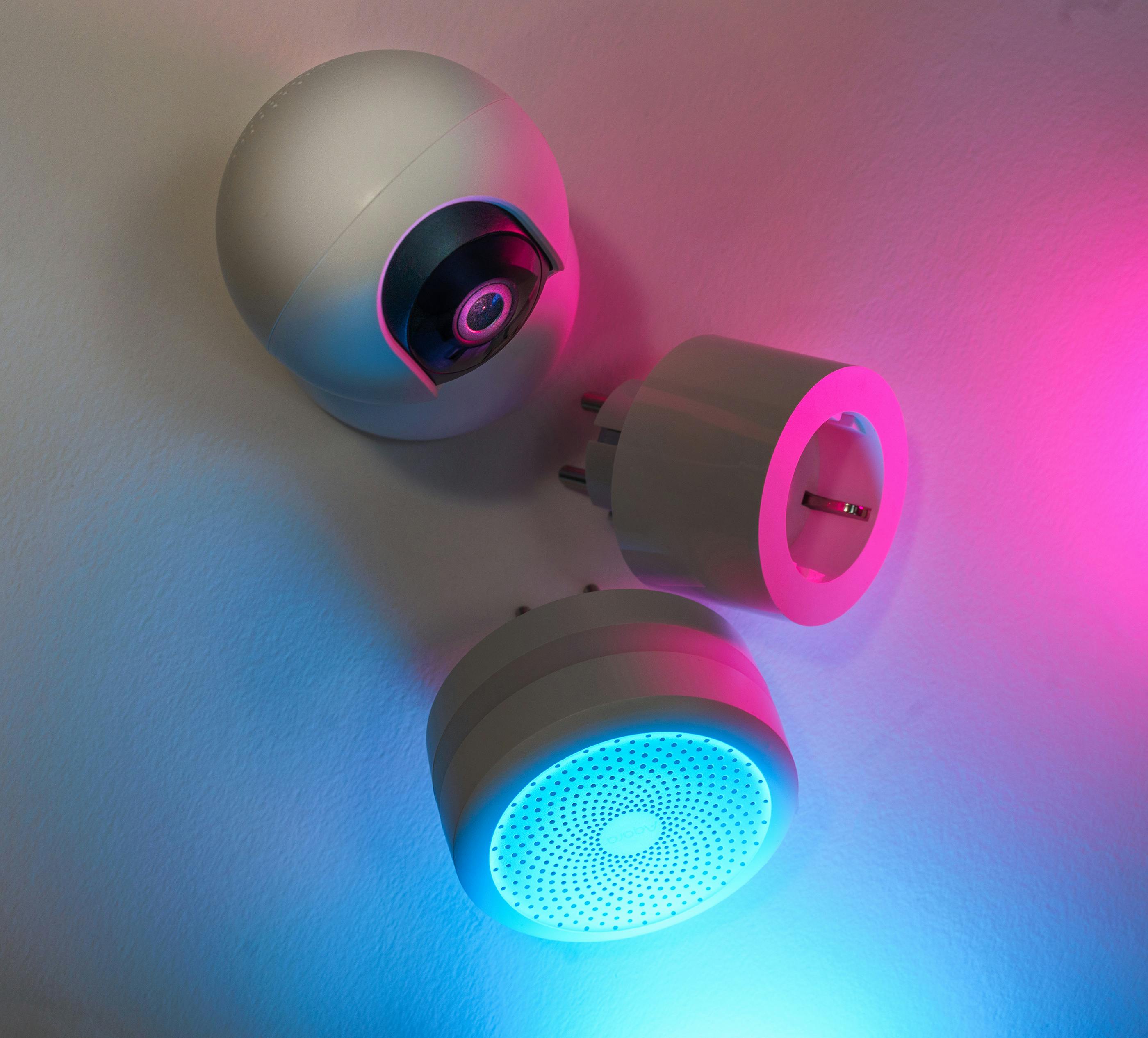
A robust alarm system is the backbone of any security system. Modern alarms can detect motion, glass breakage, or unauthorized entry. They are designed to deter intruders while alerting property owners and, in monitored systems, notifying authorities. Consider the type of alarm that suits your property—some are loud sirens intended to scare off intruders, while others provide silent alerts for discreet monitoring.
Surveillance Cameras
Surveillance cameras are integral to security systems, providing visual verification of incidents. High-resolution cameras, night vision, and wide-angle lenses improve coverage and monitoring quality. Some advanced cameras incorporate motion detection and AI analytics, reducing false alarms by distinguishing between people, animals, and environmental movement. Camera placement is critical; entrances, driveways, and common areas are typically prioritized.
Motion Sensors and Detectors
Motion sensors detect unauthorized movement within your property and trigger alarms or notifications. Some systems include advanced detectors that differentiate between small animals and human intruders. Proper sensor placement ensures maximum coverage while minimizing false alerts, which can reduce the effectiveness of your security system over time.
Remote Access and Mobile Integration
Modern security systems often include mobile apps that allow real-time monitoring, remote control, and push notifications. This feature is particularly useful for frequent travelers or property owners managing multiple locations. Mobile integration also enables seamless interaction with smart home devices, enhancing automation and convenience.
Environmental Sensors
Some security systems now include environmental sensors, such as smoke, carbon monoxide, or water leak detectors. These additional sensors expand the system’s protection beyond intrusions, providing comprehensive safety for property and occupants. Investing in a system that combines intrusion detection with environmental monitoring can prevent costly damage and improve overall security.
Storage and Cloud Options
Security cameras and smart systems often require data storage for recorded footage. Many systems offer local storage via SD cards or hard drives, while others use cloud-based storage. Cloud storage allows for secure remote access, automatic backups, and easier sharing of footage. However, subscription fees and internet reliability are key factors to consider when evaluating cloud-based options.
Installation Considerations
The installation process varies depending on the type of security system. Wired systems typically require professional installation to ensure proper configuration and wiring integrity. Wireless and smart systems often offer DIY installation, but understanding system setup, sensor placement, and network configuration is essential to maximize performance. Improper installation can lead to blind spots, connectivity issues, or frequent false alarms, reducing the effectiveness of your security system.
Maintenance and Upkeep
Maintaining a security system ensures its longevity and reliability. Regularly test alarms, cameras, and sensors to confirm proper functionality. For battery-powered devices, check and replace batteries as needed. Software updates for smart systems are critical for security patches and feature improvements. Professional maintenance services are available for monitored systems, providing inspections, adjustments, and upgrades when necessary.
Cost Considerations
Pricing for security systems varies widely based on system type, features, and professional monitoring. Wired systems generally involve higher installation costs but minimal ongoing fees. Wireless and smart systems may have moderate upfront costs with potential monthly subscriptions for cloud storage or monitoring services. Evaluating your budget alongside desired features and level of protection is crucial to choosing a system that meets both financial and security requirements.
Choosing the Right Security System for Your Needs
Selecting the ideal security system requires evaluating your property, lifestyle, and security priorities. Start by assessing your property’s vulnerabilities, including entry points, high-traffic areas, and potential environmental hazards. Consider the level of monitoring you desire—whether professional monitoring or self-managed alerts. Evaluate technological needs such as mobile access, smart home integration, and environmental sensors. Finally, weigh cost against functionality to ensure your investment provides long-term security benefits without overspending.
Common Mistakes to Avoid
Many property owners make errors when selecting security systems, leading to ineffective protection or wasted investment. Common mistakes include choosing systems based solely on price, overlooking the importance of installation quality, neglecting maintenance, or selecting incompatible devices. Avoiding these pitfalls ensures your security system performs optimally and delivers peace of mind.
Future Trends in Security Systems
The landscape of security systems continues to evolve, driven by technological innovation and increased consumer expectations. Artificial intelligence and machine learning are being incorporated to improve threat detection and reduce false alarms. Integration with smart home devices and Internet of Things (IoT) technology allows for seamless automation and enhanced convenience. As systems become more intelligent, user-friendly, and affordable, investing in a modern security system will continue to be a strategic and essential choice for property protection.
Conclusion
Choosing the right security system requires careful consideration of your property, lifestyle, and security objectives. Understanding the differences between wired, wireless, smart, monitored, and unmonitored systems allows you to select a system that balances functionality, convenience, and cost. Evaluating key features such as alarms, cameras, motion sensors, environmental detectors, and remote access ensures your system meets your protection needs. By avoiding common mistakes and staying informed about emerging trends, you can confidently invest in a security system that provides comprehensive security and long-term peace of mind. Find everything you need to know on our main site.
Frequently Asked Questions (FAQs)
What is the best type of security system for a small apartment?
For small apartments, wireless security systems are often the best choice due to easy installation, minimal wiring, and flexibility. Smart systems with mobile access provide additional convenience, allowing remote monitoring even while away.
Are professional monitoring services necessary for security systems?
Professional monitoring adds a layer of protection by ensuring that authorities are notified immediately during an emergency. While not strictly necessary, it is highly recommended for those who prioritize maximum security and rapid response.
How often should I maintain my security system?
Maintenance should be performed at least twice a year. This includes testing alarms, checking sensor functionality, replacing batteries, updating software, and ensuring cameras and recording devices are operational.
Can security systems be integrated with smart home devices?
Yes, many modern security systems offer integration with smart home devices such as lighting, thermostats, and voice assistants. This allows automated responses, enhanced control, and improved convenience for users.
How do I determine the right budget for a security system?
Budget considerations should account for system type, desired features, installation costs, and any ongoing subscription fees for monitoring or cloud storage. Evaluate your security needs against costs to find a system that provides optimal protection without overspending.