Introduction to Structural Steel Construction
Structural steel construction is a critical aspect of modern architecture and engineering, serving as the backbone of many buildings, bridges, and infrastructures. With its unique properties, structural steel has become a material of choice due to its strength, performance, and versatility. Given the growing demand for robust and economical construction solutions, understanding structural steel construction is imperative for industry professionals and stakeholders.
In this comprehensive guide, we will explore the fundamentals of structural steel construction, including its definition, history, benefits, types, best practices, and future trends.
What is Structural Steel Construction?
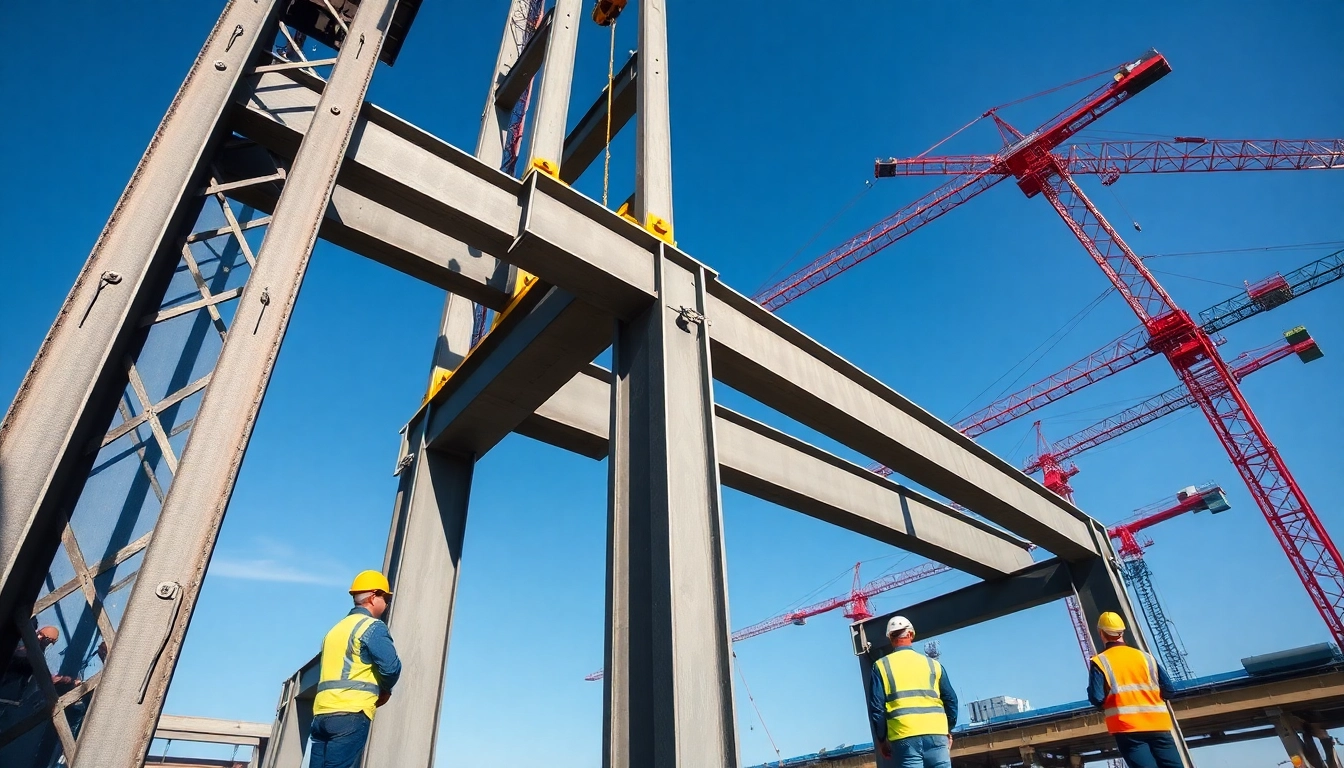
Structural steel construction refers to the method of assembling steel components to create a framework that supports a building or structure. The properties of steel, such as its high strength-to-weight ratio, make it suitable for buildings of various shapes and sizes, allowing for open spaces that are aesthetically pleasing and functionally effective.
History and Evolution of Steel Structures
The use of steel in construction dates back to the late 19th century, marking a revolutionary change in building design and engineering. The introduction of wrought iron and then steel beams allowed for taller and stronger structures, significantly transforming skylines. Iconic structures such as the Eiffel Tower in Paris and the skyscrapers of New York City exemplify the early adoption of structural steel. Over the years, innovations in steel production techniques and advancements in design have led to the efficient use of steel and enhanced construction practices.
Key Terminology in Structural Steel Construction
Understanding structural steel construction involves familiarizing oneself with key terminology. Important terms include:
- Beam: A horizontal structural element that supports loads.
- Column: A vertical support that transfers loads from beams to the foundation.
- Truss: A framework of triangles used to support roofs and bridges.
- Welding: A process of joining steel components together through the application of heat.
Benefits of Using Structural Steel in Construction
Cost-effectiveness of Structural Steel
One of the principal advantages of using structural steel is its cost-effectiveness. Steel prices can be competitive when compared to traditional building materials. Additionally, the quick assembly time of steel elements reduces labor costs and build times. The ability to prefabricate steel components significantly minimizes on-site construction time, relieving the pressure on project budgets.
Durability and Longevity of Steel Structures
Structural steel is known for its durability and longevity. Steel structures can withstand harsh weather conditions, resist corrosion (when treated appropriately), and bear heavy loads over extended periods without significant maintenance or deterioration. This resilience makes steel particularly suitable for critical infrastructure projects, such as bridges and industrial facilities.
Environmental Benefits of Steel in Construction
The environmental benefits of structural steel construction are increasingly significant in today's eco-conscious climate. Steel is 100% recyclable, and numerous steel products come from recycled materials, reducing the need for new raw materials. Moreover, steel buildings contribute to sustainable practices through energy-efficient designs and reduced waste on construction sites.
Types of Structural Steel Used in Construction
Common Steel Alloys in Structural Applications
Several types of steel alloys are commonly used in structural applications. Each alloy serves a specific purpose and has distinct properties, including:
- Carbon Steel: Widely used for its tensile strength and versatility, carbon steel is often employed in beams and columns.
- Alloy Steel: Contains added elements, enhancing properties such as strength and resistance to wear and corrosion.
- Stainless Steel: Noted for its corrosion resistance, stainless steel is suitable for environments where durability and aesthetics are essential.
Custom Fabrication Methods for Steel Construction
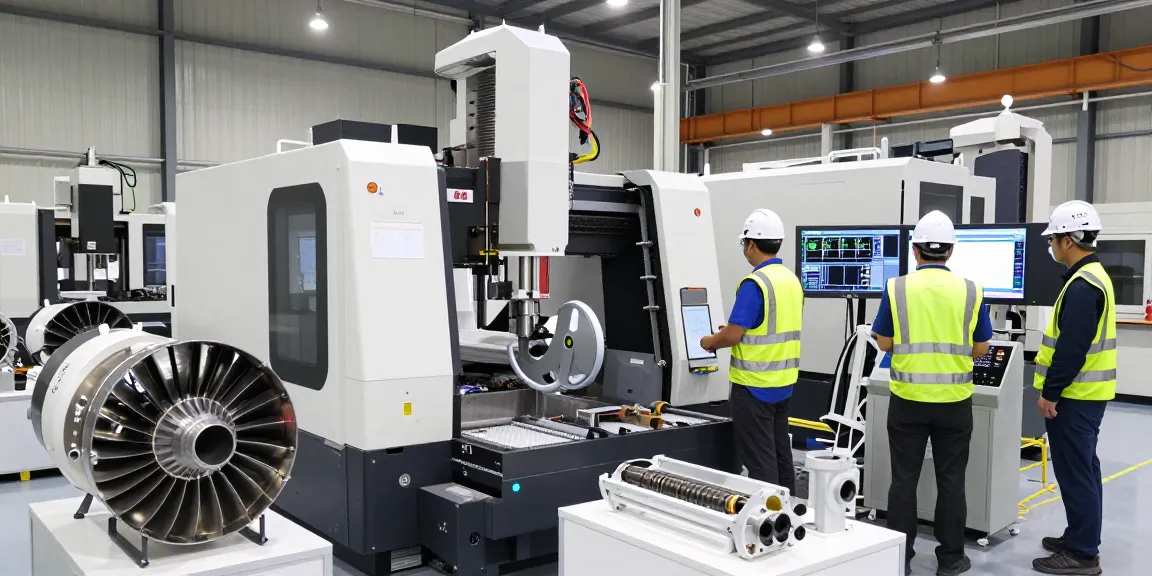
Custom fabrication of steel components offers flexibility in design and application. Techniques such as laser cutting, welding, and bending help create components tailored to the specific needs of a project. This custom approach ensures precise measurements and high-quality finishes, which are crucial for safety and functionality.
Comparing Structural Steel Grades
Structural steel grades differ based on strength, ductility, and chemical composition. Understanding these grades is essential for selecting the appropriate steel for a specific application. Common grades include:
- ASTM A36: Commonly used, it offers good weldability and strength.
- ASTM A992: Preferred for buildings due to its improved resistance and weldability.
- ASTM A572: Often used for higher strength applications, including bridges.
Best Practices for Structural Steel Construction
Designing for Structural Integrity and Safety
Ensuring structural integrity and safety is paramount in steel construction. This requires thorough planning, complex calculations, and adherence to engineering principles. Designers must consider factors such as load calculations, material properties, and the effects of environmental forces on the structure to avoid catastrophic failures.
Regulatory Standards and Compliance
Complying with regulatory standards is vital in any construction project. Organizations such as the American Institute of Steel Construction (AISC) provide guidelines that dictate design practices, testing, quality control, and structural performance. Compliance ensures safety, longevity, and reliability of steel structures.
Tips for Effective Project Management
Successful project management in structural steel construction involves diligent planning and execution. Key tips include:
- Clear Communication: Foster open lines of communication among team members to facilitate collaboration and problem-solving.
- Regular Monitoring: Implement consistent monitoring practices to track project progress and address issues promptly.
- Risk Management: Identify potential risks early and develop a mitigation plan.
Future Trends in Structural Steel Construction
Advancements in Steel Construction Technology
The future of structural steel construction is being shaped by advancements in technology. Innovations such as Building Information Modeling (BIM) enable better planning, visualization, and coordination among stakeholders. Furthermore, automated and robotic construction methods are streamlining processes, reducing labor costs, and improving accuracy.
Sustainable Practices in Steel Production
As sustainability becomes increasingly important, the steel industry is adopting greener practices. Innovations in steelmaking, such as using renewable energy sources and reducing emissions, enable the production of eco-friendlier steel. These practices contribute to lower carbon footprints and promote a circular economy within the construction sector.
Emerging Markets for Steel Infrastructure
Emerging markets present significant opportunities for growth in structural steel construction. As developing countries invest in infrastructure and urbanization, the demand for structural steel is set to rise. The expansion of railways, bridges, and high-rise buildings in these regions will further propel advancements and innovations in steel applications.
Conclusion
Structural steel construction plays a pivotal role in shaping our cities and communities. With its myriad advantages, it offers cost-effective, durable, and sustainable building options. As industry practices evolve and technology advances, structural steel will remain a cornerstone of modern construction. By embracing the benefits of structural steel and adhering to best practices, professionals in the field will continue to push the boundaries of what is possible in construction.