Understanding the Basics of Fly Fishing
What is Fly Fishing?
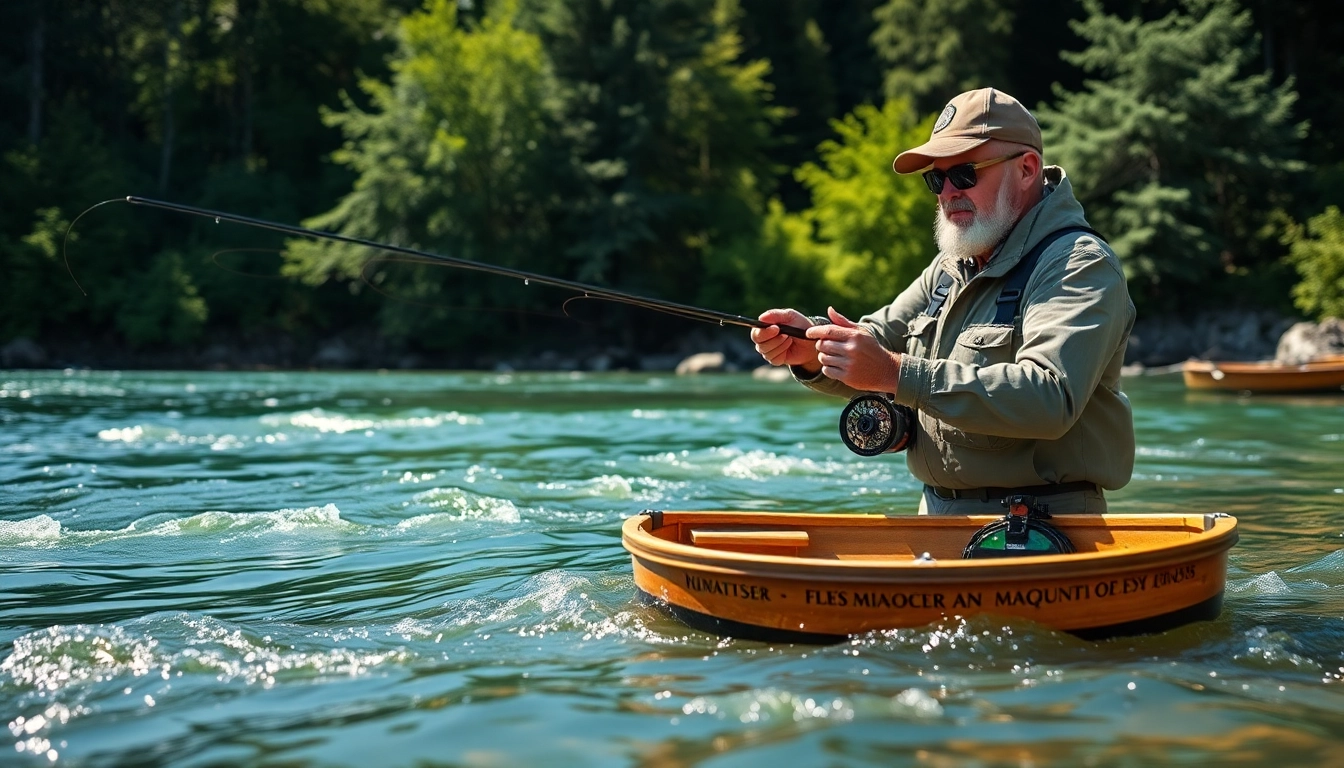
Fly fishing is a specialized form of angling that uses a lightweight lure called a fly to catch fish. Unlike traditional fishing methods that use bait, fly fishing imitates the movement and appearance of insects or small aquatic creatures, allowing anglers to entice fish more effectively. This technique requires a unique set of skills, equipment, and understanding of aquatic environments. As an angler, you will need to be adaptive and patient as you learn to read the water, identify fish behavior, and choose the right fly. Mastering these elements can lead to a deeply rewarding outdoor experience.
Essential Gear for Beginners
When starting out, it's important to invest in essential gear to ensure a productive and enjoyable experience on the water. Here’s a breakdown of important equipment every beginner should consider:
- Fly Rod: Generally ranging from 8 to 10 feet in length for beginners, a medium-weight rod (5-6 weight) is versatile for various fish species.
- Fly Reel: The reel should balance well with your rod and has the capacity to handle the line you choose.
- Fly Line: A floating line is ideal for targeting surface feeders, while sinking lines are beneficial for deeper waters.
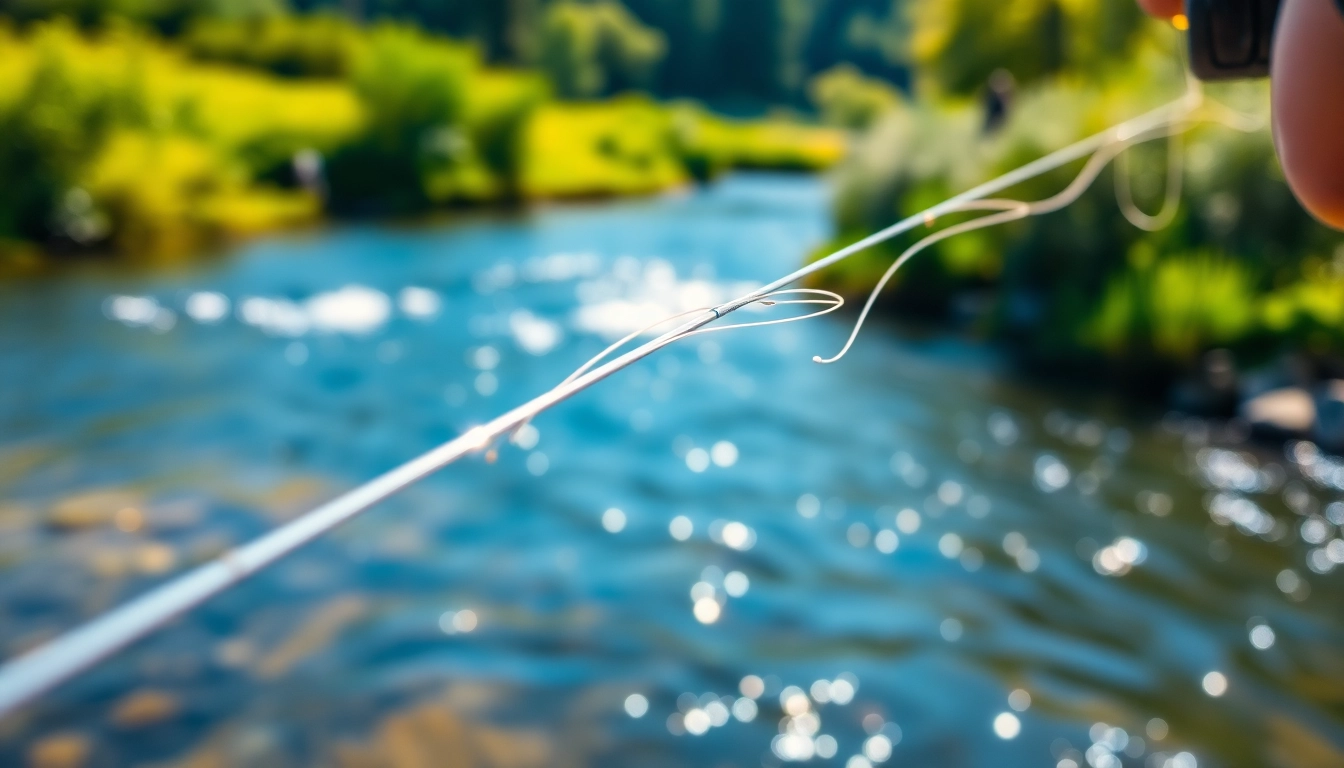
- Leader and Tippet: This line connects your fly to the main line, allowing for delicate presentations.
- Flies: A few basic patterns, such as nymphs, dries, and streamers, will help diversify your fishing options.
- Waders and Boots: Proper wading gear keeps you dry and comfortable, enabling access to deeper waters.
Investing in quality gear tailored to your fishing environment will make a significant difference in your fly fishing success. Always consult local experts or experienced anglers for recommendations on what works best in your area.
Key Techniques to Learn
Developing proficiency in fly fishing entails mastering a variety of techniques. Here are several key skills you should focus on:
- Casting: The precision of your cast can determine whether or not a fish will bite. Practice different casting styles such as the overhead cast and roll cast to suit various fishing situations.
- Mending: This technique involves repositioning your line on the water to maintain a natural drift for your fly, crucial when fishing in moving water.
- Striking: Knowing when to set the hook can be the difference between a catch and a missed opportunity. Pay attention to your line and the slightest nibbles.
As you begin to practice these techniques, remember that consistency and patience are vital. Consider taking fly fishing lessons near me to receive personalized guidance and feedback as you refine your skills.
Finding Fly Fishing Lessons Near Me
Researching Local Schools and Instructors
Finding quality fly fishing lessons can dramatically enhance your skills as a beginner. Begin by researching local schools that offer specialized fly fishing courses. Look for certifications, instructor experience, and course structures that align with your learning goals. Many schools provide hands-on training in various environments, ensuring you gain a well-rounded education. If geography isn't a limitation, consider schools that conduct programs in renowned fishing locations; the experience can be both educational and scenic.
Local fly fishing shops are often a goldmine of information. They typically have connections to instructors and can recommend classes based on your skill level and interests. Be sure to read reviews and testimonials from former students to gauge the effectiveness of their teaching methods.
Online Resources and Virtual Lessons
The internet offers a plethora of resources for aspiring anglers. Online platforms feature video tutorials, instructional blogs, and virtual classes that can be incredibly beneficial. Many reputable instructors have begun offering virtual lessons that cover everything from the basics of casting to advanced strategies for land-based fishing. These resources allow for flexible learning at your own pace, making it easier to fit fly fishing into your schedule.
When exploring online options, seek out reputable websites, courses, or YouTube channels that specialize in fly fishing. Engage with community forums to ask questions about specific techniques or gear recommendations; these platforms can foster an enriching learning experience.
Community Events and Workshops
Community events, such as local fishing festivals, expos, or workshops, often include fly fishing lessons or demonstrations. These events present a unique opportunity to learn in a social environment while meeting fellow fishing enthusiasts. Some workshops may even offer specialized training in niche areas, such as saltwater fishing or fly tying.
To stay updated, regularly check local fishing clubs and community boards. Participation in group lessons can also foster camaraderie and networking opportunities that will enhance your overall fishing experience. Remember to engage with other participants; sharing tips and experiences can greatly enrich your learning journey.
The Benefits of Professional Fly Fishing Instruction
Personalized Coaching and Feedback
One of the greatest advantages of enrolling in professional fly fishing lessons is the personalized coaching you receive. Experienced instructors can identify your strengths and weaknesses, then provide tailored feedback designed to improve your technique. This can accelerate your learning and help you avoid developing bad habits.
Personalized lessons also offer the chance for immediate correction. With feedback, you can make adjustments in real-time, which is often more effective than self-taught methods where incorrect techniques can persist unchecked.
Safety Tips for Beginners
Fly fishing entails working with water, which presents both challenges and risks. Professional instructors emphasize safety as a key component of their teaching. They will guide you on proper navigation in and around water bodies and provide insights on wearing a personal flotation device (PFD), particularly in swift water.
Understanding weather conditions and wearing appropriate gear can also safeguard against unexpected circumstances. Professional courses will typically highlight these essentials, ensuring that you are aware of best practices before hitting the water.
Community and Networking Opportunities
Participating in fly fishing lessons provides an excellent network of fellow enthusiasts. Building relationships in this community can lead to camaraderie, shared experiences, and opportunities for future fishing trips. Networking extends to local shops and online platforms where you can continue learning and exchanging fishing stories and tips long after your initial lessons.
Many instructors organize follow-up events or mentorship programs to keep students engaged. This not only fosters community but also creates an environment where you can learn and grow in your fly fishing journey together.
Advanced Techniques for Aspiring Anglers
Understanding Water Conditions
As you progress in fly fishing, understanding various water conditions becomes paramount. Different species of fish behave differently in various water types—whether it be lakes, rivers, or streams. Keep an eye on factors such as current speed, water temperature, and the presence of structure like rocks and plants, as these elements influence where fish will be located.
For instance, fish tend to seek cover among structures where they can ambush prey. Learning how to read water helps you identify these hotspots and improve your catch rates significantly.
Mastering Lure Selection and Presentation
Advanced anglers understand that selecting the right fly and presenting it effectively can make or break a fishing day. This skill includes knowing which flies mimic local insects or creatures at different times of the year. Additionally, learning how to present your lure to imitate the natural movement of prey can entice even the most discerning fish.
Experiment by varying your techniques such as stripping, dead-drifting, or skating flies across the surface to see what works best on a given day. Keeping a fishing journal can also help track what patterns and techniques yield the best results in different conditions.
Adapting to Seasonal Changes
Each season presents unique challenges and opportunities in fly fishing. Understanding how the weather and aquatic ecosystem change can help you adapt your approach. For example, trout behavior varies significantly between winter and summer months. In summer, they'll often feed heavily in the early mornings and late evenings, while in winter, they may be deeper in the water and less active.
Be sure to stay informed about the seasonal insect hatches in your area. These hatches dictate fish feeding patterns and can suggest what flies to use at different times of year. Joining regional forums and reading local fishing reports can keep you well-informed on these seasonal shifts.
Measuring Your Progress in Fly Fishing
Setting Realistic Goals and Expectations
Progression in fly fishing requires setting clear and attainable goals. Whether you aim to master casting techniques or target a specific species, having structured short-term and long-term objectives will help measure your development. Initially, goals can be as simple as successfully landing a fish or fishing in different types of water.
Using a fishing log can also aid in tracking your experiences. Note the types of water, conditions, flies used, and the resulting catches. Over time, this will reveal patterns that clarify your growth and highlight areas for improvement.
Catching Techniques and Success Rates
Monitoring your catch rates and techniques provides direct evidence of your progress in fly fishing. Engaging with others to share successes and challenges can offer insights into what works and what doesn't. Participating in competitions or friendly fish-offs will not only help you track your success but also motivate you to refine your skills further.
Social Media and Community Sharing
Social media has become an effective platform for anglers to share their progress and experiences. Joining groups dedicated to fly fishing can foster community connections and allow you to gain insights from more experienced fishers. Use platforms to post your catches, gear reviews, and experiences encountered while fishing. This engagement not only holds you accountable for your progress but also attracts feedback and encouragement from others.
Overall, measuring your progress in fly fishing is less about the number of fish caught and more about the learning and growth experienced along the way.