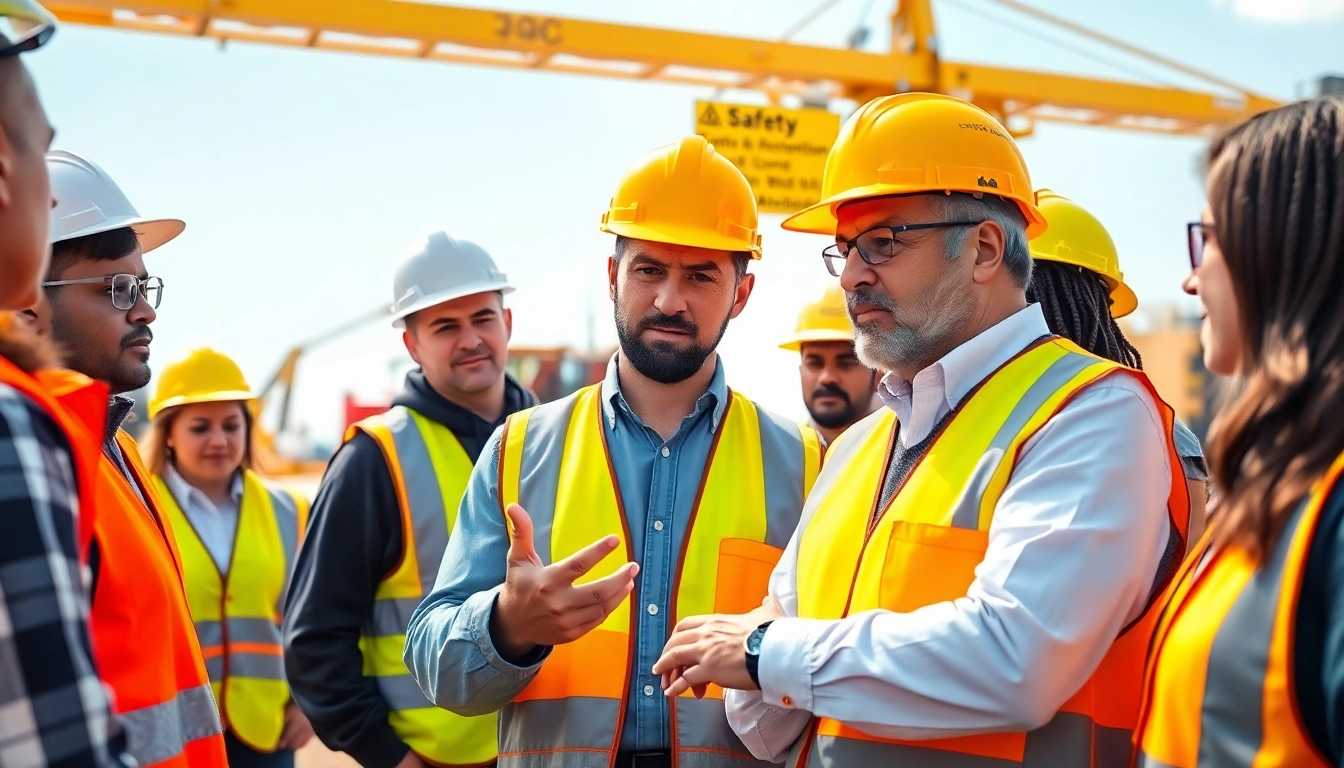
The Importance of Construction Safety Programs
In the construction industry, safety is paramount. Construction sites are fraught with various hazards that can lead to accidents, injuries, and even fatalities. The implementation of effective construction safety programs is essential not only for compliance but also for ensuring the well-being of all workers. Understanding the significance of these programs can significantly enhance workplace safety and boost overall productivity.
Understanding Workplace Hazards
Workplace hazards in construction can be categorized into several types, including physical, chemical, and ergonomic hazards. Physical hazards include falls, equipment mishaps, and being struck by objects, while chemical hazards may involve exposure to toxic materials. Ergonomic hazards often result from repetitive movements or poor posture, leading to musculoskeletal disorders. By understanding these hazards, construction companies can better prepare and implement safety measures to mitigate risks. Regular risk assessments are vital to identify and address these dangers proactively.
Legal Obligations and Compliance
Construction companies must comply with various federal and state regulations regarding workplace safety. The Occupational Safety and Health Administration (OSHA) outlines specific standards that must be adhered to by all construction entities. Failure to comply can result in severe penalties, including fines and work stoppages. Maintaining compliance is not only a legal necessity but also a moral obligation to protect the health and safety of workers. By establishing robust construction safety programs, organizations can ensure adherence to these regulations.
Benefits of Implementing Safety Programs
Effective safety programs provide numerous benefits. Firstly, they significantly reduce the incidence of accidents and injuries on-site, which leads to lower insurance costs. Additionally, a strong safety culture enhances employee morale and productivity, as workers feel valued and protected. Furthermore, implementing a safety program can enhance a company's reputation, making it more appealing to potential clients and skilled laborers. Ultimately, adopting a systematic approach to workplace safety contributes to the sustainability and profitability of construction operations.
Key Components of Effective Construction Safety Programs
Risk Assessment and Management
Risk assessment involves identifying potential hazards and analyzing the likelihood and consequences of these risks. Effective risk management strategies include the implementation of controls to eliminate or mitigate hazards, such as safety barriers, training seminars, and regular equipment inspections. A thorough risk management plan involves continuous monitoring and reassessment of risks to adapt to changing site conditions and practices.
Training and Education Initiatives
Training is a cornerstone of any effective safety program. Regular training sessions ensure that workers are aware of the hazards they may face and how to protect themselves. This training should cover proper equipment usage, emergency response, and first aid procedures. Moreover, specialized training for certain tasks, such as working at heights or dealing with hazardous materials, can significantly reduce risks associated with those activities. Engaging workers in safety training fosters a sense of responsibility and awareness.
Emergency Response Planning
Having a well-defined emergency response plan is vital in the event of an accident or unforeseen situation. This plan should outline clear procedures for reporting accidents, evacuating the site, and providing appropriate first aid. Conducting regular drills can help ensure that all personnel are familiar with emergency protocols, which can save lives during critical moments. Additionally, establishing communication channels for emergencies aids in rapid response and recovery efforts.
Developing a Construction Safety Program
Identifying Stakeholders and Resources
Developing a safety program requires collaboration among various stakeholders, including management, employees, and safety consultants. Identifying and allocating necessary resources, such as safety equipment, training materials, and expert personnel, is essential for the program’s success. Actively involving employees in the development process can provide invaluable insights and foster a sense of ownership over safety practices.
Setting Clear Goals and Objectives
Establishing clear, measurable goals and objectives is crucial for guiding the implementation of safety programs. Goals should focus on reducing incidents, enhancing training, and improving safety culture. Using specific metrics, such as reducing incident rates by a certain percentage within a set timeframe, can help evaluate the effectiveness of the safety initiatives and drive continuous improvement.
Creating a Budget and Action Plan
Implementing construction safety programs requires a dedicated budget to cover costs related to training, equipment, and resources. An actionable budget should prioritize spending on critical areas that will have the most significant impact on improving safety. It is also beneficial to define an action plan with timelines and assigned responsibilities, which can facilitate accountability and ensure progress toward safety objectives.
Best Practices for Implementing Construction Safety Programs
Regular Safety Audits
Conducting regular safety audits is essential for maintaining compliance and ensuring that safety practices are effectively implemented. These audits should evaluate all aspects of the safety program, from training effectiveness to equipment safety. Continuous monitoring allows organizations to identify areas for improvement and adjust their safety strategies accordingly. Additionally, audits foster an environment of accountability and reinforce the importance of safety at all levels of the organization.
Continuous Training and Feedback
Safety training should not be a one-time event but rather an ongoing process. Providing continuous training helps reinforce safety knowledge and keeps personnel updated on best practices and new regulations. Furthermore, feedback from employees can provide insights into the effectiveness of current training methods and safety protocols, allowing for necessary adjustments. Engaging workers in discussions about safety practices encourages a culture of communication and transparency.
Encouraging a Safety-First Culture
Embedding a safety-first culture within a construction organization is crucial for the sustainability of safety programs. This involves employing visible leadership to express commitment to safety and recognizing employees who excel in promoting safety practices. Encouraging open discussions about safety concerns can empower workers to take part in developing solutions. By fostering an environment where safety is prioritized and discussed, organizations can cultivate a more proactive and engaged workforce.
Measuring the Success of Construction Safety Programs
Key Performance Indicators (KPIs)
To determine the effectiveness of safety programs, organizations should develop key performance indicators (KPIs) that can quantify safety performance. KPIs may include metrics such as incident rates, lost-time injury frequency rates, and the number of resolved safety concerns. Regularly reviewing these metrics provides insight into the program's performance and guides necessary adjustments for improvement.
Employee Feedback and Engagement Surveys
Soliciting employee feedback through surveys can provide valuable insights into the perceived effectiveness of safety programs. Engaging employees in discussions about safety needs empowers them to voice their concerns, leading to a more comprehensive understanding of the challenges they face on-site. Incorporating this feedback allows organizations to refine their safety programs based on real workplace experiences.
Adjusting Programs Based on Results
Once KPIs and feedback are collected, organizations should be prepared to make necessary adjustments to their safety programs. Continuous improvement is a fundamental component of effective safety management. Regularly revisiting safety approaches in light of new data and employees' perspectives ensures the program remains effective and responsive to changing workplace conditions.
FAQs about Construction Safety Programs
What is a construction safety program?
A construction safety program is a structured approach that outlines policies, procedures, and training aimed at promoting safety on construction sites. It focuses on reducing accidents, injuries, and compliance with safety regulations.
Why are safety programs important in construction?
Safety programs are essential in construction as they help minimize risks, injuries, and fatalities. They also promote a safe work environment, enhance worker morale, and ensure legal compliance.
How often should safety training occur?
Safety training should be ongoing, with mandatory sessions at regular intervals, such as quarterly. This ensures workers stay informed about safety best practices and updated regulations.
What are common hazards in construction?
Common hazards include falls, equipment-related incidents, electrocution, and exposure to hazardous materials. Understanding these hazards helps in implementing effective safety measures.
How can a company measure the effectiveness of its safety program?
A company can measure effectiveness through KPIs like incident rates, employee feedback, training completion rates, and regular safety audits to gauge compliance and performance.