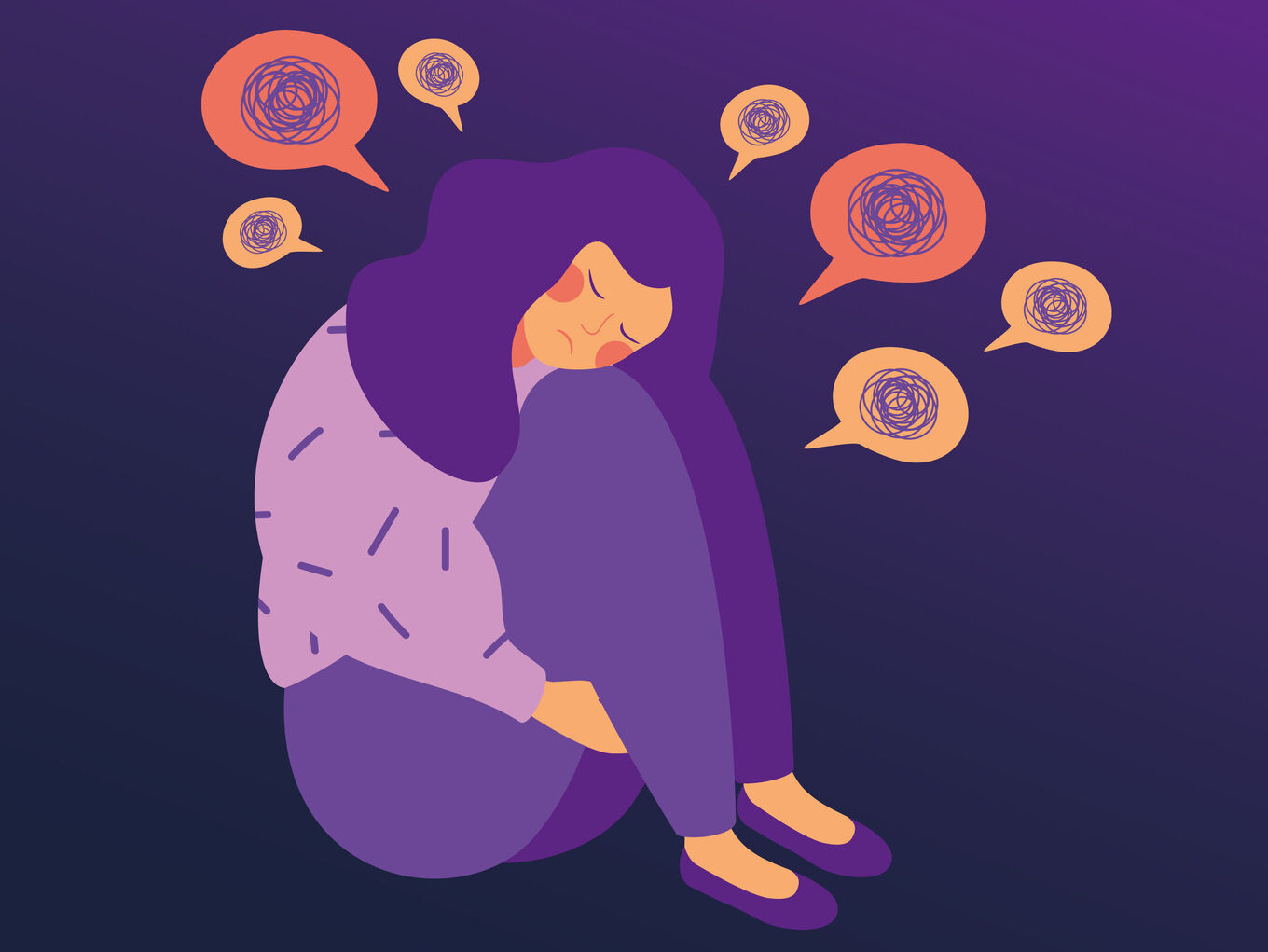
Recognizing Depression symptoms in adults is critical for timely intervention and effective mental health management. Depression is a pervasive condition that affects mood, cognition, behavior, and physical health, often disrupting daily functioning and quality of life. Adults experiencing depression may struggle with work responsibilities, personal relationships, and self-care, making early detection and understanding vital. By identifying the signs, learning how depression manifests in adults, and knowing when to seek help, individuals can access support and treatment to improve well-being.
Understanding Depression in Adults
Depression is more than occasional sadness or stress; it is a complex mental health disorder that affects emotional regulation, cognitive processes, and physical health. In adults, depression may develop gradually or appear suddenly, often triggered by life events, biological factors, or a combination of influences.
Causes and Risk Factors
Several factors contribute to depression in adults, including:
- Genetic predisposition: Family history of depression increases susceptibility.
- Neurochemical imbalances: Altered levels of serotonin, dopamine, and norepinephrine can affect mood regulation.
- Stressful life events: Job loss, financial struggles, relationship challenges, or bereavement can trigger depressive episodes.
- Chronic illness: Conditions such as diabetes, heart disease, or chronic pain may increase risk.
- Substance misuse: Alcohol or drug use can exacerbate symptoms or trigger depression.
Understanding these risk factors allows for greater awareness of depression symptoms and proactive measures for prevention and treatment.
Types of Depression in Adults
Depression in adults can manifest in different forms, including:
- Major depressive disorder (MDD): Severe and persistent low mood with significant functional impairment.
- Persistent depressive disorder (dysthymia): Chronic, milder depressive symptoms lasting at least two years.
- Seasonal affective disorder (SAD): Depression occurring during specific seasons, typically winter.
- Postpartum depression: Depression following childbirth, affecting emotional and physical well-being.
Recognizing the type of depression helps guide appropriate treatment strategies.
Emotional Depression Symptoms in Adults
Emotional changes are often the first indicators of depression. They impact mood, perception, and emotional responses in daily life.
Persistent Sadness and Low Mood
Adults with depression frequently experience prolonged sadness that does not improve with positive events. This low mood can be accompanied by feelings of emptiness, hopelessness, or despair.
Irritability and Anger
Depression may manifest as heightened irritability, frustration, or anger, even in response to minor stressors. This symptom can affect personal relationships and create tension in social or professional environments.
Loss of Interest and Pleasure
Anhedonia, the inability to enjoy previously pleasurable activities, is a hallmark of adult depression. Work, hobbies, social interactions, and intimacy may lose their appeal, leading to withdrawal and isolation.
Emotional Numbness
Some adults may feel emotionally numb or detached, struggling to connect with loved ones or experience joy. This emotional blunting can worsen isolation and reinforce depressive patterns.
Guilt and Self-Criticism
Excessive guilt or self-blame is common. Adults may dwell on past mistakes, feel undeserving of happiness, or perceive themselves as burdens to others.
Physical Depression Symptoms in Adults
Depression in adults often has physical manifestations, which can sometimes obscure the underlying emotional condition.
Sleep Disturbances
Adults may experience insomnia, waking early, difficulty falling asleep, or excessive sleep. Poor sleep quality contributes to fatigue, irritability, and cognitive impairment.
Appetite and Weight Changes
Depression can lead to reduced appetite and weight loss, or increased appetite and weight gain. Changes in eating patterns can affect energy, metabolism, and overall physical health.
Fatigue and Low Energy
Persistent tiredness is a key symptom of adult depression. Even after adequate rest, daily tasks may feel exhausting, reducing productivity and motivation.
Physical Pain
Adults may experience unexplained aches, headaches, or gastrointestinal issues. These somatic complaints often mask underlying depression and can delay recognition and treatment.
Cognitive Symptoms in Adults
Depression affects cognitive functioning, impacting memory, concentration, and decision-making in adults.
Difficulty Concentrating
Tasks requiring focus or sustained attention may become challenging. Adults may struggle at work or in managing household responsibilities due to cognitive slowing.
Negative Thinking Patterns
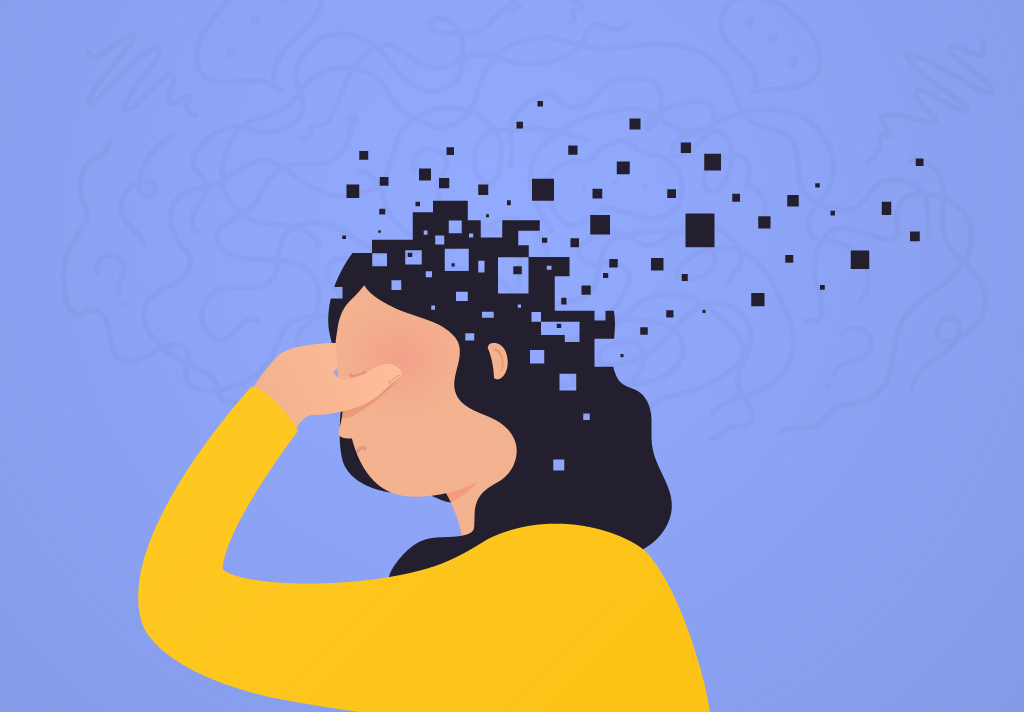
Pessimistic thoughts about oneself, the future, and life circumstances are common. Rumination can exacerbate low mood and interfere with problem-solving abilities.
Indecisiveness
Depression may cause difficulty making even minor decisions, leading to frustration and feelings of inadequacy.
Memory Impairments
Short-term memory may be affected, making it hard to remember appointments, deadlines, or conversations.
Behavioral Symptoms in Adults
Behavioral changes are often observable by family members, colleagues, or friends and can provide clues to adult depression.
Social Withdrawal
Adults may isolate themselves from social interactions and avoid activities they previously enjoyed. This withdrawal reinforces loneliness and emotional distress.
Reduced Productivity and Motivation
Work performance and personal responsibilities may decline due to lack of motivation and energy. Adults may procrastinate, avoid tasks, or struggle to meet obligations.
Risky or Impulsive Behavior
Some adults may engage in alcohol or drug use, reckless driving, or other risky behaviors as a coping mechanism for emotional pain.
Changes in Routine
Depression can disrupt daily routines, such as personal hygiene, eating schedules, and sleep patterns. Maintaining consistent routines may become challenging.
When to Seek Help
Recognizing when to seek help is crucial for managing depression effectively. Adults should consider professional intervention if symptoms persist, worsen, or interfere with daily life.
Signs Indicating Need for Professional Help
- Persistent sadness, hopelessness, or irritability
- Sleep disturbances and chronic fatigue
- Loss of interest in previously enjoyed activities
- Difficulty concentrating or performing daily tasks
- Thoughts of self-harm or suicide
Early intervention improves recovery outcomes and reduces the risk of complications.
Types of Professional Support
- Therapy: Cognitive-behavioral therapy (CBT), interpersonal therapy (IPT), or psychodynamic therapy can address negative thought patterns and emotional challenges.
- Medication: Antidepressants may be prescribed to correct neurochemical imbalances.
- Support groups: Peer support reduces isolation and provides coping strategies.
- Lifestyle interventions: Exercise, mindfulness, nutrition, and structured routines complement professional treatment.
Steps for Seeking Help
- Acknowledge the symptoms and their impact.
- Reach out to a primary care provider or mental health professional.
- Discuss treatment options, including therapy, medication, or combined approaches.
- Engage supportive family or friends to maintain accountability and encouragement.
Impact of Untreated Depression in Adults
If left untreated, depression can have serious consequences on emotional, physical, and social well-being.
Emotional Consequences
Untreated depression can lead to worsening sadness, increased irritability, feelings of hopelessness, and in severe cases, suicidal thoughts.
Physical Health Implications
Chronic fatigue, sleep disturbances, and somatic complaints may worsen. Untreated depression can also increase the risk of heart disease, diabetes, and other chronic conditions.
Social and Professional Consequences
Relationships may suffer due to withdrawal and irritability. Work performance may decline, resulting in financial stress or career setbacks.
Strategies for Coping with Depression Symptoms
Adults can implement several strategies to manage symptoms alongside professional treatment.
Self-Care Practices
- Maintain consistent sleep schedules and healthy eating habits.
- Engage in regular physical activity to boost mood and energy.
- Practice mindfulness, meditation, or relaxation techniques.
- Schedule enjoyable activities to counteract anhedonia.
Building a Support Network
Friends, family, and support groups provide emotional encouragement, practical help, and a sense of connection.
Tracking Symptoms
Maintaining a journal of mood, sleep patterns, energy levels, and triggers can help identify patterns and inform treatment adjustments.
Gradual Goal Setting
Setting achievable daily goals fosters a sense of accomplishment and motivation, which helps counter feelings of helplessness.
Reducing Stigma Around Depression in Adults
Raising awareness about adult depression and its symptoms encourages help-seeking behavior and reduces societal stigma. Open conversations in workplaces, communities, and social circles normalize mental health discussions and create supportive environments.
Promoting Empathy
Empathy, patience, and active listening are essential when supporting adults with depression. Avoid judgment and validate their experiences to foster trust and connection.
Community and Workplace Support
Employers and communities can offer workshops, wellness programs, and mental health resources to educate and support adults experiencing depression.
Conclusion
Depression symptoms in adults affect mood, sleep, and energy, creating a significant impact on daily life and overall well-being. Recognizing these symptoms early, understanding their implications, and seeking timely professional support are essential steps toward recovery. Combining therapy, medication, lifestyle modifications, and social support helps adults regain control over their mental health, improve functioning, and enhance quality of life. Awareness, education, and empathy are key to addressing depression effectively and fostering a supportive environment for individuals seeking help. Find expert recommendations and top picks right on our main page.
FAQs
What are the most common depression symptoms in adults?
Common symptoms include persistent sadness, irritability, loss of interest in activities, sleep disturbances, chronic fatigue, difficulty concentrating, and social withdrawal.
How do I know when to seek professional help for depression?
Seek professional help if symptoms persist for more than two weeks, interfere with daily life, or include thoughts of self-harm. Early intervention improves outcomes and prevents worsening of the condition.
Can depression symptoms in adults differ from those in younger people?
Yes, adults often experience fatigue, sleep disturbances, and reduced productivity, whereas younger individuals may show irritability, academic difficulties, and risk-taking behaviors. Age and life stage influence symptom presentation.