
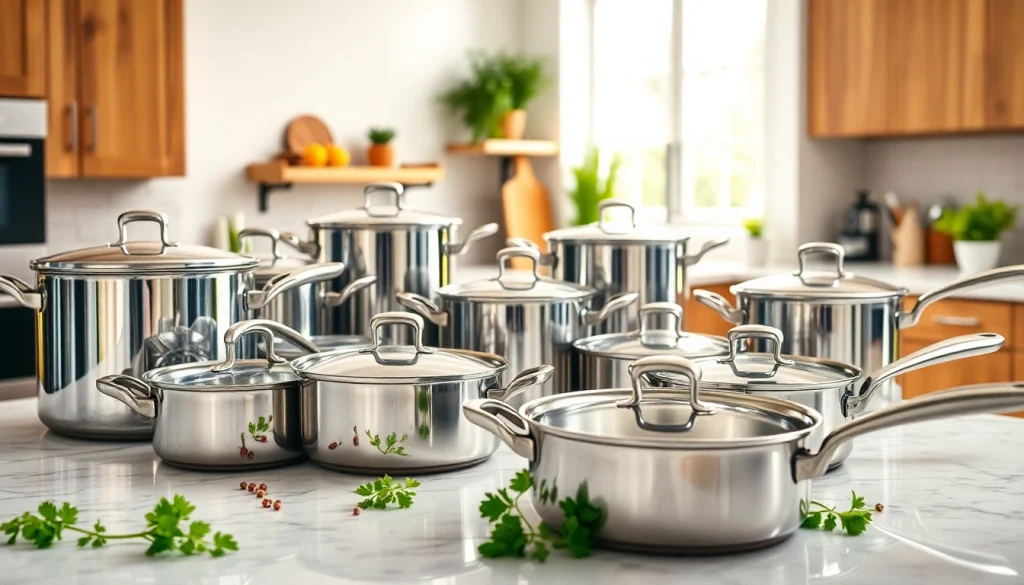
Understanding Different Types of Cookware
What is Cookware?
Cookware refers to a variety of cooking vessels, such as pots, pans, and baking dishes, used for preparing, cooking, and serving food. This essential kitchen equipment is designed to withstand heat and facilitate different cooking techniques, from frying and sautéing to boiling and baking. Choosing the right cookware is paramount to achieving the best culinary results. Proper cookware not only affects the cooking process but also impacts flavor and texture. For the avid home chef, understanding the various types of cookware is critical for both quality and cooking efficiency.
Common Materials Used in Cookware
Cookware comes in numerous materials, each with unique properties, benefits, and ideal uses. The most common materials include:
- Stainless Steel: Renowned for its durability and non-reactive nature, stainless steel is excellent for browning, braising, and deglazing.
- Cast Iron: Known for its superior heat retention and even cooking, cast iron pots and pans are perfect for slow cooking and baking. They require seasoning to maintain their non-stick surface.
- Nonstick: Coated with a nonstick material, such cookware simplifies cooking and cleaning. They are ideal for novice cooks and easy meal cleanups; however, they require careful handling to avoid scratching.
- Ceramic: Ceramic cookware is praised for its non-reactive properties and aesthetic appeal. It distributes heat evenly, making it suitable for baking and roasting.
- Aluminum: Lightweight and efficient at conducting heat, aluminum is often anodized for durability. It is popular for everyday cookware due to its cost-effectiveness.
- Carbon Steel: Similar to cast iron but lighter, carbon steel heats quickly, making it a favorite for stir frying and high-heat cooking.
Comparative Benefits of Various Cookware
Each cookware material offers distinct advantages, which can significantly influence your cooking experiences. Here’s a closer look:
- Stainless Steel: Ideal for developing flavor through browning and deglazing. It is resistant to rust and staining, making it a long-lasting choice.
- Cast Iron: Excellent for heat retention; it can go from stovetop to oven, making it versatile. Perfect for searing, frying, and baking.
- Nonstick: Allows for lower-fat cooking since foods do not stick. Perfect for delicate items like eggs and pancakes but typically less durable under high heat.
- Ceramic: Generally safer for health-conscious cooks since it is free from toxic chemicals like PTFE and PFOA found in some nonstick cookware.
- Aluminum: Lightweight and cost-effective, it heats quickly but can react with acidic foods, sometimes altering flavor.
- Carbon Steel: Gaining popularity for its lightweight yet sturdy nature and high-heat capacity, fantastic for stir fry dishes.
Choosing the Right Cookware for Your Needs
Assessing Your Cooking Style
Understanding your cooking style is crucial when selecting cookware. Consider the following:
- Cooking Techniques: Determine whether you primarily fry, roast, or simmer. Types of cookware vary significantly based on cooking methods.
- Frequency of Use: If you’re a daily cook, investing in higher-quality cookware will pay off in longevity and performance.
- Dietary Preferences: If you often prepare healthy meals, nonstick or ceramic cookware will allow for healthier cooking with less oil.
Creating a well-rounded collection may involve investing in various materials to cover all bases, from a heavy-duty frying pan to an essential stockpot.
Best Cookware for Healthy Cooking
Health-conscious cooks should prioritize cookware that minimizes added fats and potential chemicals:
- Nonstick Cookware: Excellent for reducing fat content since less oil is needed during cooking. Select quality nonstick options to avoid harmful coatings.
- Ceramic Cookware: Free from toxic chemicals, ceramic is a safe choice for individuals concerned about food quality and health.
- Stainless Steel: Does not leach chemicals and is incredibly durable, ensuring you can prepare a wide range of healthy meals.
Budget-Friendly vs. Premium Cookware Options
When considering your budget, it’s essential to weigh short-term affordability against long-term performance:
- Budget-Friendly Options: Many retail stores offer affordable cookware sets that are good initial choices for beginner cooks. However, quality can vary, and durability may lack compared to premium brands.
- Premium Cookware: While the upfront cost is higher, premium options often provide better heat distribution, longevity, and aesthetically appealing designs that enhance your kitchen.
For most home cooks, a mix of both budget-friendly and premium options is ideal. Invest in core pieces that you frequently use, and feel free to opt for economical versions for less-used items.
Maintaining and Caring for Your Cookware
Cleaning Techniques for Different Materials
Proper cleaning techniques can extend the life of your cookware. Here’s how to clean various materials:
- Stainless Steel: Use warm soapy water and avoid using steel wool, which can scratch the surface. For tough stains, a baking soda paste can work wonders.
- Cast Iron: Clean with hot water and a stiff brush. Avoid soap; instead, keep it seasoned with a thin layer of oil after washing.
- Nonstick: Soft sponges and mild detergents are recommended. Avoid abrasive cleaners to preserve the nonstick coating.
- Ceramic: Generally dishwasher-safe, but hand washing is preferred to maintain appearance. Use soft cloths for cleaning.
- Aluminum: Clean with soapy water and a soft scrub brush. Avoid harsh detergents to prevent discoloration.
Storing Cookware Effectively
Proper storage can also prolong the lifespan of your cookware. Consider these tips:
- Stacking: For pots and pans, use felt or cloth between them to prevent scratching.
- Hanging: Use pot racks to hang cookware, saving space and keeping them accessible.
- Organizers: Drawer organizers can keep lids and pans separately to maintain clarity and accessibility.
Signs It’s Time to Replace Your Cookware
Knowing when to replace cookware is essential for your cooking efficiency. Signs include:
- Visible scratches, especially on nonstick surfaces that compromise their integrity.
- Warped or discolored aluminum pots that affect cooking performance.
- Rust on cast iron or stainless steel that indicates deterioration.
Replacing items regularly, especially those that see daily use, ensures safety in your cooking environment and quality in your dishes.
Innovative Cookware Technologies
Nonstick Cookware Advancements
Advancements in nonstick technology have paved the way for healthier cooking options. Modern nonstick coatings are safer and designed to withstand higher cooking temperatures. Seek options free from PFAS (per- and polyfluoroalkyl substances) to minimize health risks.
Induction Cookware Explained
Induction cookware is designed specifically for use on induction cooktops. It requires magnetic materials, making it efficient and safe; it heats quickly and offers precise temperature control. Ensure compatibility with a magnet test—if it sticks, it’s good to go!
Eco-Friendly Cookware Options
More manufacturers are now providing eco-friendly cookware options crafted from recycled or sustainably sourced materials. Look for items free from harmful chemicals and designed to be durable for long-term use, reducing waste over time.
Frequently Asked Questions (FAQs)
What is the best material for cookware?
The best material depends on cooking style. Stainless steel and cast iron are versatile, while nonstick is ideal for low-fat cooking.
How do I know when to replace my cookware?
Signs include scratches in nonstick surfaces, rust spots on metals, warping of pans, or performance degradation over time — replace if affecting cooking quality.
Can I use metal utensils with nonstick cookware?
It’s advisable to avoid metal utensils with nonstick cookware to prevent scratches; use silicone, wooden, or plastic utensils instead.
What are the benefits of using stainless steel cookware?
Stainless steel cookware is durable, non-reactive, and great for browning, making it versatile across many cooking techniques. It’s also easy to clean.
Is it safe to cook with aluminum cookware?
Aluminum cookware is safe for cooking, but using anodized aluminum can prevent reactions with acidic foods and help maintain flavor.