
Understanding the Role of Warehouses in Supply Chain Management
Warehouses play a pivotal role in the intricate workings of supply chain management. They serve as strategic hubs where products are stored, organized, and dispatched across various logistics channels. A well-structured supply chain benefits immensely from efficient warehousing practices, which can optimize inventory control, reduce operational costs, and enhance service levels. In this context, understanding the very essence of a warehouse becomes crucial for businesses aiming to streamline their operations.
What is a Warehouse?
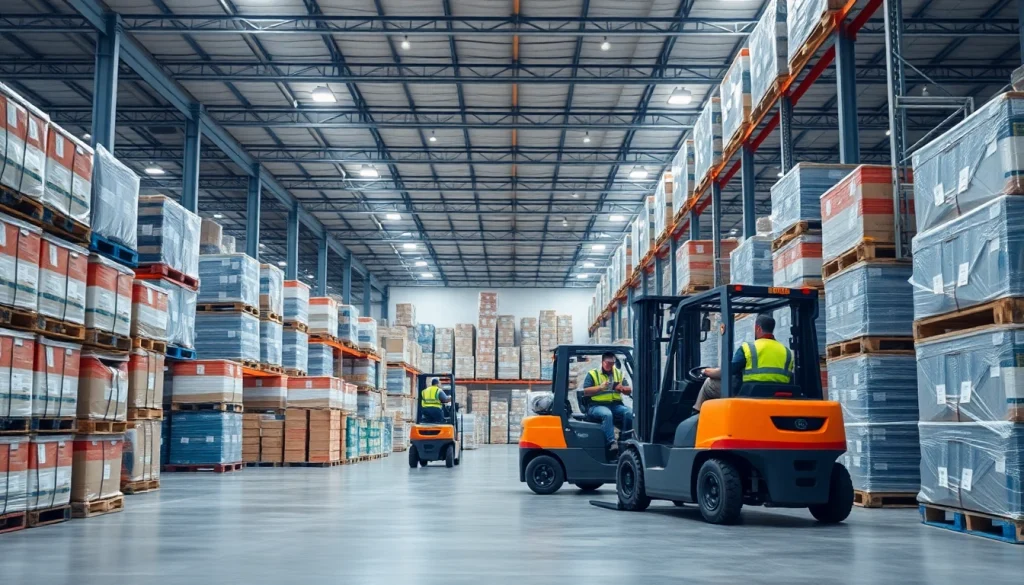
A warehouse is a facility designed primarily for the storage of goods and products. These structures range from large distribution centers that serve multiple retailers and manufacturers to smaller warehouses that may cater to specific markets or regions. Warehouses are equipped with various storage systems, which may include pallets, shelves, and racking systems, to optimize the organization and retrieval of inventory.
Types of Warehouses
Understanding the different types of warehouses available is essential for businesses, as each type serves unique purposes and operations:
- Public Warehouses: These facilities are owned by third-party companies and are available for use by the general public. They provide flexible space and services for rent or lease.
- Private Warehouses: Owned and operated by a company for its own storage needs, private warehouses are typically used by larger businesses with significant inventory turnover.
- Distribution Centers: These specialized warehouses focus on the quick shipping of products rather than storage. They are essential in e-commerce and retail for efficient order fulfillment.
- Climate-Controlled Warehouses: These warehouses maintain specific temperature and humidity levels, suitable for storing perishable goods, sensitive electronics, or pharmaceuticals.
- Automated Warehouses: These facilities utilize robotics and automated systems for the storage and retrieval of products, significantly increasing operational efficiency.
Importance of Warehousing in Logistics
The significance of warehousing extends beyond merely storing goods. Warehouses are critical in ensuring supply chain reliability and efficiency by enabling:
- Inventory Management: By maintaining optimal stock levels, businesses can respond to market demand without overstocking or running out of products.
- Order Fulfillment: Efficient warehousing operations streamline order processing, allowing businesses to fulfill customer orders quickly and accurately.
- Cost Control: Properly managed warehouses can reduce transportation costs by strategically placing products closer to customers and minimizing shipping distances.
- Risk Mitigation: Warehousing helps businesses buffer against supply chain disruptions, whether due to demand fluctuations, transportation delays, or production issues.
Key Components of Warehouse Management
Warehouse Layout and Design
The layout and design of a warehouse significantly impact its operational efficiency. A well-planned warehouse layout optimizes space utilization, minimizes movement, and enhances workflow. Key considerations include:
- Flow of Goods: Implementing a logical flow that facilitates the movement of goods from receiving to storage to shipping helps reduce handling time and labor costs.
- Storage Options: Choosing the right storage systems—such as pallet racking, shelving, or bins—based on the type of goods stored is critical for maximizing use of available space.
- Accessibility: Ensuring that products are easily accessible can minimize order fulfillment times and reduce the risk of accidents.
Technology in Warehouse Operations
Technology has revolutionized warehouse management, leading to substantial improvements in efficiency. Key technologies include:
- Warehouse Management Systems (WMS): These software solutions provide real-time visibility into inventory and warehouse operations, enabling better decision-making.
- Barcode Scanning: Implementing barcode systems streamlines inventory tracking and reduces errors in order fulfillment.
- Automated Picking Systems: Robotics and automation can significantly speed up the picking process, ensuring that orders are filled quickly and accurately.
- Internet of Things (IoT): Connecting devices and sensors allows for real-time monitoring of warehouse operations, leading to enhanced visibility and control.
Inventory Management Best Practices
Effective inventory management is a cornerstone of successful warehouse operations. Companies can adopt several best practices, such as:
- Regular Audits: Conducting regular inventory audits ensures accurate stock levels and reduces discrepancies.
- Just-In-Time (JIT) Inventory: JIT minimizes inventory levels, decreasing storage costs while meeting customer demand promptly.
- ABC Analysis: This method categorizes inventory based on importance, allowing businesses to prioritize resources and focus on high-value items.
- Forecasting Demand: Utilizing sales data and market trends can improve inventory planning, reducing instances of stockouts or overstock situations.
Optimizing Warehouse Efficiency
Reducing Operational Costs
Reducing operational costs without sacrificing quality or efficiency is a primary goal of warehouse management. Strategies include:
- Labor Management: Optimizing workforce scheduling and cross-training employees can enhance productivity while keeping labor costs low.
- Energy Efficiency: Investing in energy-efficient lighting and heating systems can result in significant long-term cost savings.
- Streamlined Processes: Continuous process evaluation can identify and eliminate waste, ensuring smoother operations and lower costs.
Enhancing Order Fulfillment Speed
Speed is paramount in today’s logistics environment. Companies can enhance order fulfillment speed by:
- Using Automated Picking Systems: Automation technologies can speed up the selection process, enabling faster order processing.
- Implementing Efficient Picking Methods: Utilizing batch picking, zone picking, or wave picking can help improve the speed of order fulfillment.
- Establishing Clear Workflows: Defining and communicating precise workflows enables employees to operate efficiently and reduces time wasted in confusion or delays.
Implementing Lean Warehousing Principles
Lean principles focus on maximizing value while minimizing waste—an approach ideal for warehousing. Key lean strategies include:
- Value Stream Mapping: Analyzing and mapping processes to identify and eliminate waste can significantly improve workflow efficiency.
- Continuous Improvement (Kaizen): Encouraging a mindset of constant improvement helps foster a culture focused on refining processes and reducing inefficiencies.
- 5S Methodology: This organizational methodology (Sort, Set in order, Shine, Standardize, Sustain) enhances workspace efficiency and safety.
Challenges Facing Warehouse Operations
Addressing Labor Shortages
The modern warehouse industry faces significant labor shortages. Companies can combat this challenge by:
- Attractive Compensation Packages: Offering competitive wages and benefit packages can attract and retain talent in a tight labor market.
- Training and Development: Investing in ongoing training programs can improve workforce capabilities and employee satisfaction, decreasing turnover rates.
- Flexible Work Arrangements: Providing flexible hours or remote work options can appeal to a broader range of job seekers.
Managing Inventory Fluctuations
Fluctuating inventory levels can create significant challenges for warehouses. To mitigate these fluctuations, companies can:
- Establish Safety Stock Levels: Maintaining safety stock can buffer against sudden increases in demand or supply chain disruptions.
- Implement Robust Forecasting: Utilizing advanced analytics and demand forecasting helps better align inventory with expected future sales.
- Agile Inventory Strategies: Developing more agile strategies that allow for quick pivots in inventory procurement and management can effectively address variability.
Overcoming Space Limitations
Space limitations present a constant challenge within warehousing. To maximize available space, companies can implement:
- Vertical Storage Solutions: Utilizing vertical space through racking systems or multi-level shelving can significantly enhance storage capacity.
- Dynamic Slotting: Regularly analyzing and adjusting storage locations based on product demand can optimize space utilization and improve picking efficiency.
- Effective Layout Planning: Regularly revisiting and optimizing warehouse layouts can ensure that operational efficiency aligns with storage needs.
Future Trends in Warehousing
Automation and Robotics
The integration of automation and robotics in warehouses is revolutionizing operations. Benefits include:
- Increased Efficiency: Automated systems streamline repetitive tasks such as picking and sorting, thereby increasing speed and efficiency.
- Reduced Labor Costs: Automation minimizes reliance on manual labor, lowering operational costs in the long run.
- Improved Precision: Robotics can perform tasks with unparalleled accuracy, reducing errors in inventory management and order fulfillment.
Sustainability Practices in Warehousing
As environmental awareness grows, sustainability practices in warehousing are becoming more important. Key initiatives may include:
- Energy-Efficient Technologies: Implementing energy-efficient systems can reduce the carbon footprint of warehouse operations.
- Recycling Programs: Establishing and encouraging recycling within warehouse operations fosters a sustainable culture while reducing waste.
- Green Logistics: Businesses can optimize routing and transportation methods to further reduce environmental impact.
The Impact of E-commerce on Warehouse Logistics
The explosive growth of e-commerce has revolutionized warehouse operations, emphasizing the need for:
- Faster Fulfillment Times: E-commerce necessitates quick processing and shipping of orders, requiring efficient warehousing strategies.
- Increased Inventory Variety: Warehouses need to accommodate a wider variety of products, created varied storage and picking solutions.
- Last-Mile Delivery Optimization: As e-commerce firms strive for quick delivery, warehouses are increasingly located closer to urban centers to expedite last-mile deliveries.