Introduction to LVP Flooring
Luxury Vinyl Plank (LVP) flooring has become a popular choice among homeowners and designers alike due to its unique blend of aesthetics, durability, and affordability. This innovative flooring option mimics the appearance of natural wood and stone while offering practical advantages that make it suitable for various environments. Whether you are redesigning a living space, upgrading your home, or planning a new build, lvp flooring is an option worth considering.
What is LVP Flooring?
LVP flooring is a type of vinyl flooring composed of multiple layers designed to provide a durable and attractive surface. The top layer features a high-definition image that mimics wood or stone textures, offering the beauty of natural materials. Beneath that, a durable wear layer protects against scratches, dents, and stains. The core layer is often made of high-density fiberboard or composite material that adds stability and moisture resistance. Finally, the backing layer provides additional cushioning and sound absorption, making LVP flooring a comfortable choice for residential and commercial spaces.
Benefits of Choosing LVP Flooring
- Durability: LVP flooring is highly resistant to wear and tear, moisture, and impacts, making it ideal for high-traffic areas.
- Aesthetic Variety: With numerous styles, colors, and finishes available, LVP can replicate the look of any natural material.
- Comfort: The cushioning underfoot makes LVP flooring comfortable to walk on, a great feature for homes and offices.
- Easy Maintenance: Simple cleaning routines with minimal effort. A regular sweep and occasional mopping keep it looking great.
- Cost-Effective: Generally more affordable than hardwood or stone flooring, LVP provides a stylish look without the premium price tag.
Common Misconceptions about LVP Flooring
Many misconceptions surround LVP flooring. A common myth is that vinyl products are low-quality and won’t last. In reality, high-quality LVP can last 15-25 years or more with proper care. Another misconception is that LVP is not eco-friendly; however, many manufacturers now produce LVP through sustainable practices, making it a more environmentally responsible choice. Additionally, some people believe LVP cannot be installed in bathrooms or kitchens due to water concerns. Unlike traditional vinyl, LVP is waterproof and resistant to moisture, making it suitable for areas frequently exposed to water.
Top Styles and Designs of LVP Flooring
Contemporary LVP Flooring Trends
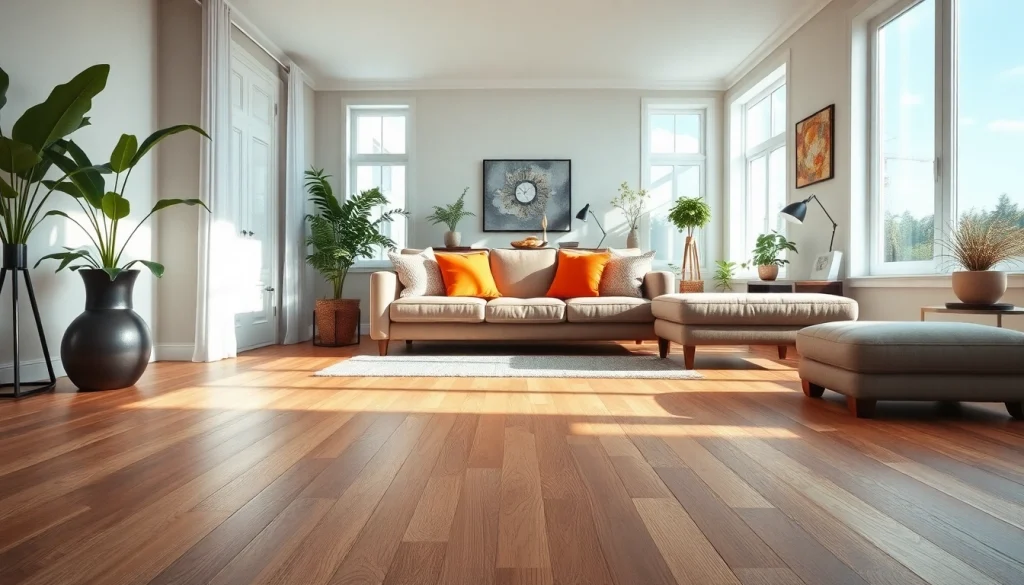
Contemporary design trends for LVP flooring focus on natural aesthetics, including wide planks that reflect the seamless, understated elegance of nature. Grays and light tones dominate modern spaces, with textures that create depth and warmth. Additionally, patterns such as herringbone and chevron are becoming increasingly popular, offering dynamic visual interest. Pairing these designs with minimalist furnishings can elevate any room, enhancing its overall ambiance.
Classic Styles: Why They Never Go Out of Fashion
Classic wood looks, such as oak, maple, and walnut, remain timeless favorites among homeowners. These styles evoke warmth and inviting charm and can adapt to various interior decors, from traditional to rustic. Shaded finishes, like distressed or reclaimed looks, add character and vintage appeal, ensuring that classic styles will always find a place in modern homes.
Customizing Your LVP Flooring Design
One of the most exciting aspects of LVP flooring is the ability to customize your design. With various textures, patterns, and colors available, you can curate a unique look that reflects your personality and complements your home. Consider mixing and matching planks to create personalized patterns or using borders to define different areas within a large space. Creativity is key, allowing homeowners to express themselves freely while enjoying all the benefits LVP flooring has to offer.
Installation Guide for LVP Flooring
Tools Needed for LVP Flooring Installation
Preparing to install LVP flooring requires a few essential tools to ensure a smooth process. Here’s a list you’ll want to gather:
- Utility knife for cutting planks.
- Measuring tape for accurate measurements.
- Rubber mallet to tap planks into place without causing damage.
- Straight edge for making precise cuts.
- Pull bar for joining planks in tight spaces.
- Flooring spacers to maintain consistent expansion gaps along walls.
Step-by-Step Installation Process
Installing LVP flooring can be a rewarding DIY project. Follow these steps for a successful installation:
- Preparation: Clear the room, remove any old flooring and ensure the subfloor is clean, dry, and level.
- Acclimate the planks: Allow the LVP planks to acclimate to the room temperature and humidity for at least 48 hours.
- Plan your layout: Decide on the direction of the planks and create a layout plan ensuring a balanced look.
- Install the first row: Position the first row with spacers against the wall, ensuring a consistent gap for expansion.
- Click and lock: Continue to connect the planks, clicking them together while using the rubber mallet for snug fits.
- Complete the installation: Work your way across the room, cutting planks as needed around corners and obstacles.
- Add finishing touches: Once all planks are installed, remove spacers and install baseboards or transition strips.
Professional vs DIY Installation of LVP Flooring
Choosing between professional installation and DIY depends on factors such as skill level, time constraints, and budget. While DIY installation can save money and offers a sense of accomplishment, it may be time-consuming. On the other hand, professional installers have the experience and tools to ensure a flawless finish, which may also prevent costly mistakes. Consider your comfort in home improvement projects and whether you’re willing to dedicate time to the task before making a decision.
Maintenance Tips for LVP Flooring
Daily Care and Cleaning Strategies
Maintaining LVP flooring is simple and requires minimal effort. Regular sweeping or vacuuming can remove dirt and debris, helping maintain its appearance. For deeper cleaning, damp mopping with a manufacturer-recommended cleaner will effectively remove stains without damaging the floor. Avoid excessive water, as it may seep into seams and cause damage over time.
Repairing Scratches and Damage on LVP Flooring
Although LVP flooring is durable, scratches and dents can still occur. Minor scratches can often be buffed out with a microfiber cloth or special vinyl floor repair kits. For deeper scratches or damage, replacing the affected planks is usually the best option. Most LVP flooring systems employ a click-lock design that allows for easy plank replacement without the need for full re-installation.
Long-term Maintenance Best Practices
To help your LVP flooring last as long as possible, consider these long-term maintenance practices: keep furniture sliders under heavy items to prevent scratches, avoid harsh cleaning chemicals that may damage the finish, and regularly check for moisture buildup in areas prone to spills or humidity. By taking these preventive measures, you can sustain the beauty and durability of your floor for years to come.
Frequently Asked Questions about LVP Flooring
Is LVP Flooring suitable for bathrooms?
Yes, LVP flooring is waterproof and resistant to moisture, making it an excellent choice for bathrooms and laundry rooms.
How long does LVP Flooring last?
With proper maintenance, LVP flooring can last 15-25 years, depending on the quality and foot traffic.
Can I install LVP Flooring over existing floors?
Yes, LVP flooring can often be installed over existing flooring as long as it’s level, stable, and free of moisture issues.
What is the cost range for LVP Flooring?
The cost of LVP flooring typically ranges from $2 to $7 per square foot, depending on the style and quality of the planks.
How does LVP Flooring compare to hardwood?
LVP flooring offers a similar aesthetic to hardwood but is more durable, easier to maintain, and significantly more budget-friendly.