
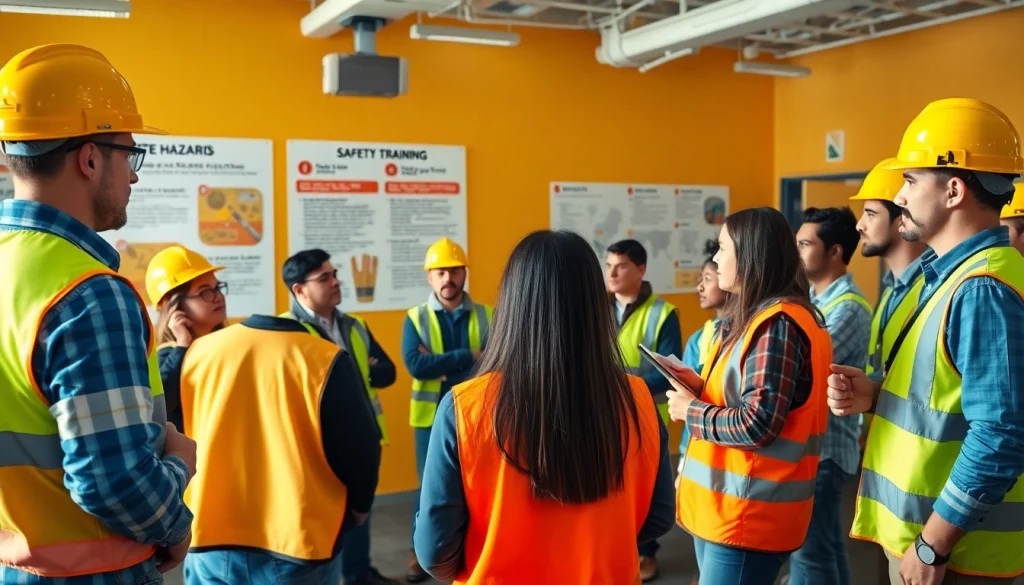
Understanding the Importance of Construction Safety Training
In the construction industry, where the stakes are high and the work environments can be hazardous, prioritizing safety is non-negotiable. Effective construction safety training plays a crucial role in promoting safe work practices, preventing injuries, and ensuring compliance with legal standards. This article delves into the importance of safety training, its benefits, industry standards, common hazards on job sites, best practices for implementation, and more. Let’s equip ourselves with the knowledge to create safer working environments for everyone involved in construction.
Defining Construction Safety Training
Construction safety training encompasses a wide range of educational programs designed to ensure that workers are aware of health and safety risks on construction sites and are equipped with the knowledge and skills to prevent accidents and injuries. Training can range from OSHA (Occupational Safety and Health Administration) compliance courses to specialized sessions for equipment operation, fall protection, hazardous materials handling, and emergency response. Each training initiative is tailored to address specific job site risks and regulatory requirements, enhancing workers’ ability to recognize hazards and mitigate risks effectively.
Key Benefits of Safety Training
Investing in comprehensive safety training offers numerous benefits, including:
- Reduced Accident Rates: By educating workers about safety protocols and hazard recognition, organizations can substantially decrease the frequency of workplace accidents, protecting both employees and company assets.
- Compliance with Regulations: Proper training ensures that companies meet the legal requirements set forth by OSHA and other regulatory bodies, reducing the risk of fines and legal actions.
- Improved Employee Morale: A safe workplace fosters a sense of security among employees, leading to increased job satisfaction and retention.
- Enhanced Productivity: With fewer accidents and interruptions, workers can focus more on their tasks without the concern of imminent danger, leading to improved efficiency.
Common Industry Standards and Regulations
Construction safety training must adhere to a range of established standards and regulations designed to protect workers. Key regulatory agencies include:
- OSHA: The Occupational Safety and Health Administration outlines safety standards and regulations that must be followed in the construction industry. OSHA standards cover a wide array of safety-related topics including fall protection, scaffolding, excavation safety, and personal protective equipment (PPE).
- ANSI: The American National Standards Institute provides guidelines on safety practices and equipment standards that enhance worker protection.
- EPA: The Environmental Protection Agency regulates the handling of hazardous materials and waste, stressing the importance of proper training for workers dealing with these substances.
Identifying Common Hazards on Construction Sites
Recognizing potential hazards is a critical first step in ensuring safety on construction sites. Various hazards can arise from the nature of the work, equipment used, and environmental factors.
Physical Hazards and Risks
Physical hazards are any agents present in the workplace that can cause harm. These include:
- Falls: One of the leading causes of fatalities in construction, with falls occurring from heights or through unprotected edges.
- Struck-by Incidents: Workers can be injured by falling objects, moving equipment, or collisions with vehicles.
- Caught-in or Between Hazards: Workers can find themselves between equipment or objects, leading to serious injuries.
Health Hazards and Employee Well-being
In addition to physical hazards, health risks must also be addressed. These can result from exposure to:
- Noise: Prolonged exposure to high noise levels can lead to long-term hearing loss.
- Silica Dust: Common in construction, exposure to silica can cause serious respiratory conditions.
- Heat Stress: Working in high temperatures without adequate hydration or breaks can lead to heat exhaustion or heat stroke.
Environmental Considerations
Construction sites often intersect with environmental factors that can introduce hazards, including:
- Weather Conditions: Rain, snow, and high winds can create unsafe working conditions.
- Site Contaminants: Chemicals or hazardous waste left undisturbed can pose risks to worker health.
- Wildlife Encounters: Construction in remote areas can lead to encounters with wildlife, potentially resulting in injuries.
Best Practices for Implementing Effective Training Programs
To cultivate a culture of safety, it’s essential to implement effective training programs that engage and educate workers at all levels.
Developing a Comprehensive Training Curriculum
A successful training curriculum should encompass several key components:
- Assessment of Risks: Identify job-specific hazards and tailor training sessions to address these risks.
- Interactive Learning: Combine lectures with hands-on demonstrations and real-life scenarios that encourage active participation.
- Regular Updates: Continually review and update the training curriculum based on emerging risks, regulatory changes, and feedback from workers.
Utilizing Modern Training Technologies
Integrating technology into training programs can enhance their effectiveness. Consider these options:
- Virtual Reality (VR): VR simulations can replicate hazardous situations in a safe environment, allowing workers to practice their responses without real-world consequences.
- Online Learning Platforms: E-learning courses can provide flexibility for workers to complete training sessions at their own pace, ensuring they absorb the material.
- Mobile Applications: Use apps to deliver safety tips, updates on regulations, and access to training materials directly to workers’ smartphones.
Engaging and Retaining Trainees
To maximize the effectiveness of training programs, it’s vital to keep participants engaged:
- Gamification: Introduce elements of gamification such as quizzes, competitions, or rewards to motivate employees and reinforce learning.
- Peer-led Sessions: Utilize experienced workers to lead training sessions, as they can provide valuable insights based on their experiences.
- Post-Training Follow-ups: Schedule regular follow-up sessions to reinforce key messages and check on understanding, ensuring continued adherence to safety practices.
Measuring the Effectiveness of Safety Training
To ensure that safety training programs are successful, it’s essential to implement metrics to measure their effectiveness.
Setting Performance Metrics
Identify specific performance metrics that reflect training success. Common metrics include:
- Incident Rates: Track the frequency of workplace accidents pre- and post-training to assess impact.
- Training Completion Rates: Ensure all employees complete required training sessions.
- Knowledge Retention: Use assessments or quizzes to gauge understanding after training.
Conducting Post-Training Assessments
Regularly conduct assessments to evaluate the effectiveness of training:
- Follow-up Surveys: Administer surveys to collect feedback from trainees about the training content and delivery.
- Observational Assessments: Supervisors should observe employees on the job to ensure that training principles are being applied.
Gathering Feedback for Continuous Improvement
Feedback is vital for enhancing safety training programs. Implement these strategies:
- Open Forums: Create opportunities for employees to discuss safety concerns and suggest improvements in training.
- Involving Stakeholders: Collaborate with safety committees and industry experts to review training effectiveness and incorporate best practices.
Case Studies: Successful Safety Training Implementation
Learning from the experiences of others can provide valuable insights into successful safety training strategies.
Highlighting Industry Leaders
Several construction companies are recognized for their exemplary commitment to safety training:
- Skanska USA: This global construction firm has implemented innovative training methods, including VR simulations, resulting in a significant reduction in accidents.
- Turner Construction: By developing a comprehensive safety training program that includes peer-led workshops, Turner has fostered strong safety ownership among employees.
Lessons Learned from Real-World Applications
Successful case studies often reveal common threads that contribute to training effectiveness:
- Engagement: Engaging training sessions that incorporate real-world scenarios build relevance and enhance learning.
- Continuous Improvement: Organizations that continuously review and adapt their training programs see sustained improvements in safety performance.
Future Trends in Construction Safety Training
As technology evolves, so do the methods of training in the construction industry. Anticipated trends include:
- Increased Use of AI: Artificial Intelligence can analyze training outcomes, predicting areas where additional focus is required.
- Remote Learning: Continued reliance on digital platforms allows for the flexibility of training, making it accessible to a broader audience.
- Focus on Mental Health: Recognition of the psychological aspects of safety training can lead to programs addressing stress management and mental well-being, enhancing overall worker safety.